

Introduction
You place your cat’s food bowl down, expecting a peaceful mealtime but instead, you’re met with growling, hissing, or even a swipe. Sound familiar?
Cat food aggressive behavior is more common than many cat owners realize. While it can be alarming, it’s often rooted in instinct, past experiences, or environmental stress not “bad behavior.”
The good news? With the right approach, you can manage and even eliminate this issue.
In this guide, we’ll break down the causes, warning signs, and step-by-step solutions to help you create a calm, stress-free feeding routine for your cat.
What Is Cat Food Aggressive Behavior?
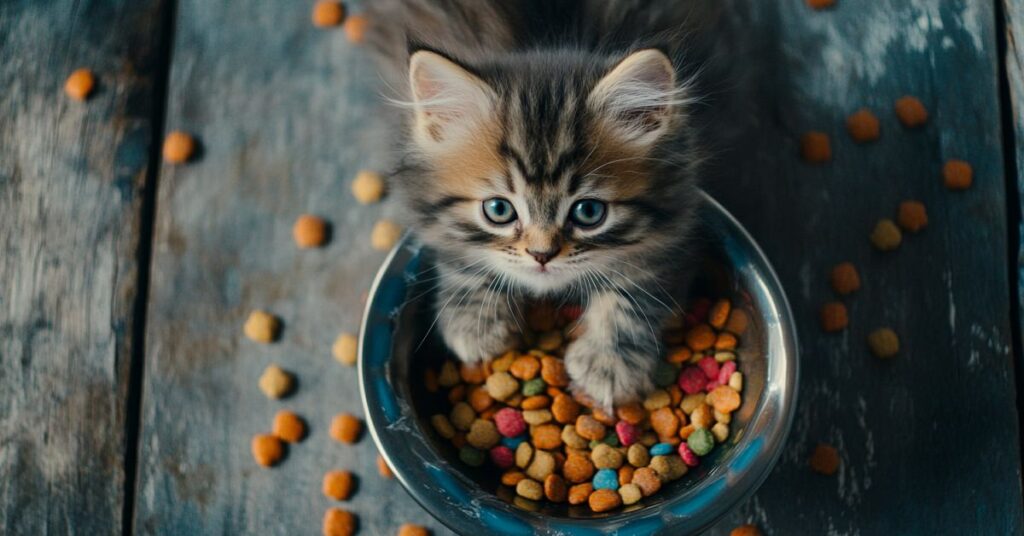
Cat food aggressive behavior refers to defensive or hostile actions a cat displays around food. This can include:
- Growling or hissing near the food bowl
- Swatting or biting when approached
- Eating too quickly or guarding food
- Attacking other pets during mealtime
This behavior is often linked to resource guarding, a natural survival instinct.
Why Do Cats Become Aggressive Around Food?

1. Survival Instincts
Even domesticated cats retain wild instincts. In the wild, food is scarce, and protecting it ensures survival.
2. Past Trauma or Neglect
Cats that experienced hunger, competition, or neglect especially rescues may develop strong food aggression.
3. Multi-Pet Competition
In homes with multiple pets, cats may feel the need to “fight” for their share.
4. Irregular Feeding Schedule
Inconsistent feeding times can create anxiety, making cats more protective of food.
5. Medical Conditions
Certain health issues can increase hunger and irritability, such as:
- Hyperthyroidism
- Diabetes
- Parasites
If behavior suddenly changes, a vet visit is essential.
Common Signs of Food Aggression in Cats
Recognizing early signs of cat food aggressive behavior helps prevent escalation.
Mild Signs
- Eating too fast
- Tensing body near food
- Watching others closely while eating
Moderate Signs
- Growling or hissing
- Blocking access to food
- Swatting nearby pets
Severe Signs
- Biting or scratching
- Chasing others away
- Attacking humans near food
Types of Food Aggression in Cats
| Type of Aggression | Description | Common Cause |
| Defensive Aggression | Protecting food from others | Fear or insecurity |
| Competitive Aggression | Fighting with other pets for food | Multi-pet environment |
| Possessive Aggression | Guarding food even when not hungry | Past trauma or learned behavior |
| Redirected Aggression | Attacking humans during feeding interruptions | Frustration or overstimulation |
How to Stop Cat Food Aggressive Behavior
1. Create a Consistent Feeding Schedule
Feed your cat at the same times daily.
Why it works: Predictability reduces anxiety and urgency.
2. Use Separate Feeding Areas
If you have multiple pets, feed them in different rooms.
Tip: Close doors or use barriers to avoid visual competition.
3. Try Slow Feeders or Puzzle Bowls
These tools help reduce rapid eating and stress.
Benefits include:
- Slower eating
- Mental stimulation
- Reduced aggression
4. Avoid Free-Feeding
Leaving food out all day can increase possessiveness.
Instead, offer measured meals at set times.
5. Gradual Desensitization
Help your cat feel safe around people during meals.
Start by:
- Standing at a distance while your cat eats
- Gradually moving closer over time
- Tossing treats gently near the bowl
This builds trust without triggering fear.
6. Never Punish Aggression
Punishment can worsen cat food aggressive behavior.
Instead:
- Stay calm
- Avoid sudden movements
- Use positive reinforcement
7. Reward Calm Behavior
When your cat eats peacefully, reward them with:
- Gentle praise
- Treats after meals
- Petting (if they’re comfortable)
8. Check for Medical Issues
If aggression appears suddenly, consult a veterinarian.
Health problems can dramatically affect behavior.
Real-Life Example
Sarah, a cat owner in Texas, adopted a rescue cat that would hiss and swipe during meals. By switching to scheduled feeding and using a separate feeding room, she noticed improvement within two weeks.
After a month of consistent training, her cat began eating calmly even with people nearby.
Feeding Tips to Prevent Food Aggression
- Feed in a quiet, low-traffic area
- Use the same bowl and location daily
- Avoid disturbing your cat while eating
- Provide enough food for their needs
- Keep other pets away during meals
Foods That May Help Reduce Aggression
While food itself isn’t always the cause, proper nutrition helps stabilize behavior.
Look for:
- High-protein diets
- Balanced nutrients
- No artificial additives
A well-fed cat is generally calmer and less reactive.
When to Seek Professional Help
If cat food aggressive behavior becomes dangerous, consult:
- A veterinarian
- A certified animal behaviorist
Seek help if:
- Your cat frequently attacks
- Injuries occur
- Behavior worsens over time
Conclusion
Cat food aggressive behavior can feel stressful, but it’s manageable with the right approach. By understanding the root causes whether instinct, fear, or competition you can create a feeding routine that feels safe and predictable for your cat.
Small changes like scheduled feeding, separate spaces, and positive reinforcement can make a big difference over time.
At KittyCareZone.com, we believe every cat deserves a calm, happy environment and that includes stress-free mealtimes. Stay patient, stay consistent, and your cat will learn to trust again.
This is usually due to resource guarding or fear of losing food. It’s instinctive behavior, not personal aggression.
Yes, with consistent training, routine, and environmental changes, most cases improve significantly.
Only if done carefully. It can build trust, but avoid if your cat shows severe aggression.
Yes. Cats with a history of neglect or competition are more likely to develop this behavior.
Yes. Poor nutrition or hunger can increase irritability and aggression.

Ali Ahmad /Passionate writer sharing informative, engaging, and easy-to-read articles across different topics. Focused on delivering valuable content that helps readers learn, explore, and stay inspired every day.
1 thought on “Cat Food Aggressive Behavior: Causes, Signs & Proven Solutions”