

Introduction
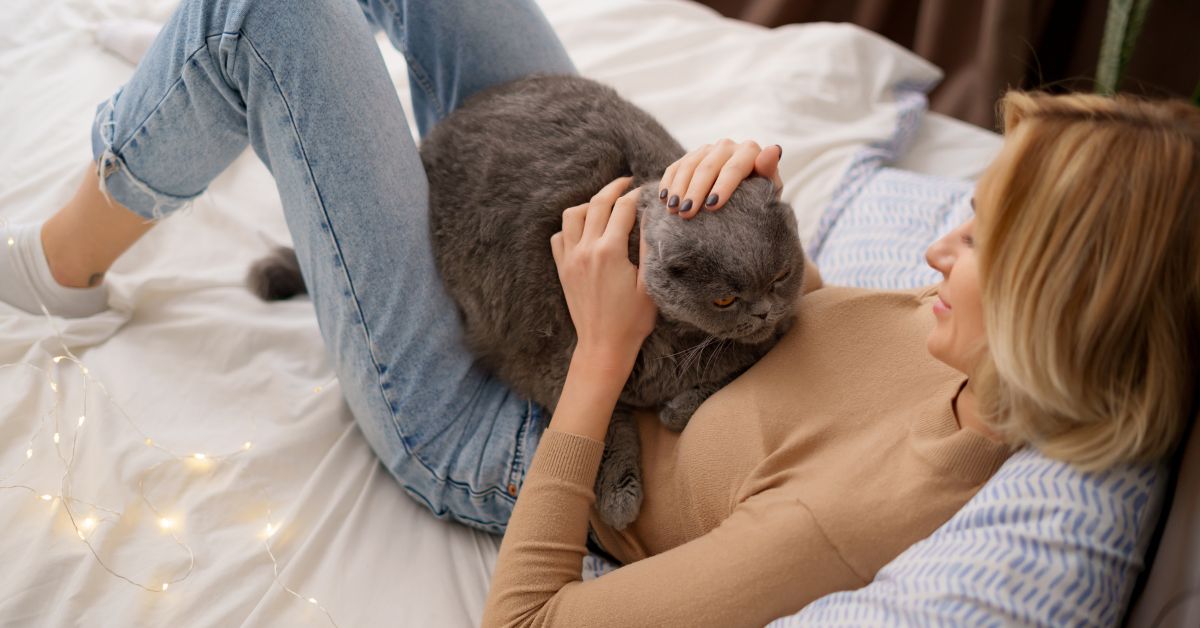
If your normally sweet cat suddenly becomes loud, restless, and overly affectionate, you’re probably dealing with cat in heat behavior. For many cat owners especially first-timers this phase can feel confusing and even stressful.
The good news? It’s completely natural.
Understanding what’s happening, why it happens, and how to manage it will make this phase much easier for both you and your cat. In this guide, you’ll learn everything from signs and timelines to practical ways to calm your cat safely.
What Does “Cat in Heat” Mean?

A cat “in heat” refers to the phase in her reproductive cycle when she is fertile and ready to mate. This stage is also called the estrus cycle.
Unlike dogs, female cats don’t bleed during heat. Instead, their behavior changes dramatically which is often the biggest clue for pet owners.
Common Signs of Cat in Heat Behavior
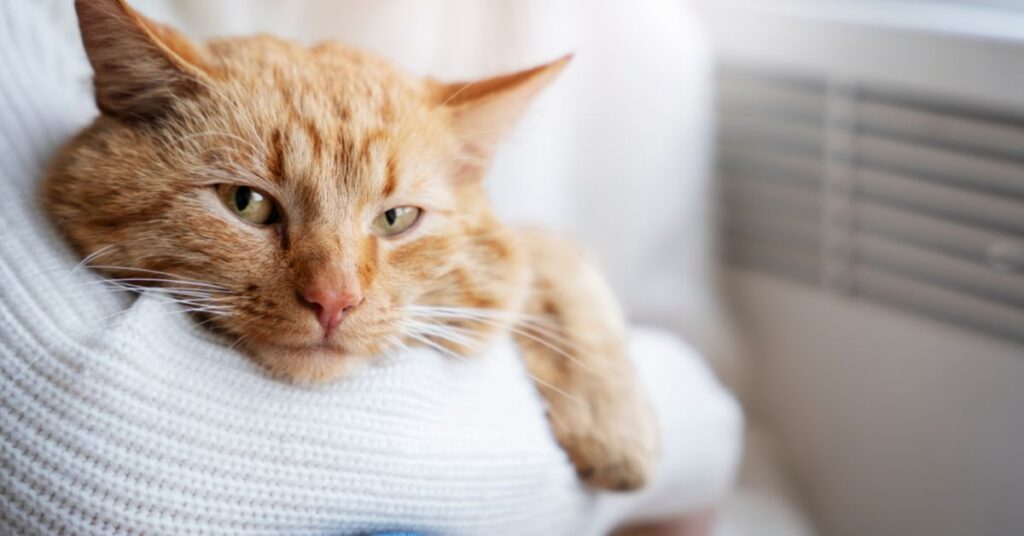
Recognizing the signs early helps you manage the situation better. Most symptoms are behavioral rather than physical.
1. Loud and Frequent Vocalization
Your cat may start:
- Yowling loudly (especially at night)
- Making unusual crying sounds
- Calling out continuously
This is her way of attracting male cats.
2. Increased Affection
A cat in heat often becomes:
- Extra clingy
- Rubbing against furniture and people
- Rolling on the floor
While it may seem cute at first, it can quickly become overwhelming.
3. Restlessness and Hyperactivity
You might notice:
- Constant pacing
- Difficulty settling down
- Increased energy levels
4. The Mating Posture (Key Sign)
This is one of the clearest signs of cat in heat behavior.
Your cat may:
- Lower her front body
- Raise her hindquarters
- Move her tail to the side
5. Attempting to Escape
Indoor cats may:
- Try to run outside
- Scratch at doors/windows
- Become unusually determined to escape
This is instinct-driven behavior to find a mate.
6. Reduced Appetite
Some cats eat less during heat due to hormonal changes.
Cat Heat Cycle Timeline (Easy Breakdown)
Understanding the timeline helps you stay prepared.
| Stage | Duration | Behavior Changes |
| Proestrus | 1–2 days | Mild affection, no mating yet |
| Estrus | 5–10 days | Full cat in heat behavior, vocal, active |
| Interestrus | 2–3 weeks | Calm period if no mating occurs |
| Repeats | Every 2–3 weeks | Cycle continues until pregnancy or spay |
Most cats go into heat multiple times during breeding season (spring to fall in the USA).
When Do Cats Go Into Heat?
- First heat: As early as 4–6 months old
- Peak breeding season: Spring and summer
- Indoor cats: Can go into heat year-round
This means your kitten can start showing cat in heat behavior sooner than expected.
Why Is My Cat Acting So Strange?
It all comes down to hormones.
During heat:
- Estrogen levels rise
- Instincts take over
- Behavior becomes mating-focused
So even the calmest cat can act completely different.
How to Calm a Cat in Heat (Safe & Effective Tips)
Managing cat in heat behavior requires patience and the right approach.
1. Provide Extra Attention
Spend more time:
- Petting her
- Playing with toys
- Keeping her mentally engaged
This helps reduce anxiety.
2. Keep Your Cat Indoors
This is critical.
Why?
- Prevent unwanted pregnancy
- Avoid fights with other cats
- Reduce risk of injury or disease
3. Use Warmth for Comfort
Many cats find comfort in warmth:
- Heating pads (low setting)
- Warm blankets
It can help soothe restlessness.
4. Maintain a Clean Litter Box
Cats in heat can become sensitive to hygiene.
Make sure:
- Litter box is cleaned daily
- No strong odors are present
5. Play Therapy (Burn Off Energy)
Interactive toys can:
- Distract your cat
- Reduce vocalization
- Help release excess energy
6. Reduce Noise Triggers
Close windows and curtains to:
- Block sight/sound of male cats
- Reduce stimulation
7. Consider Spaying (Best Long-Term Solution)
In order to permanently prevent cats from being in heat, spaying is the best option.
Benefits include:
- No more heat cycles
- Reduced risk of certain cancers
- Improved overall behavior
In the USA, vets commonly recommend spaying before or shortly after the first heat.
What NOT to Do
Avoid these common mistakes:
- ❌ Do not punish your cat
- ❌ Do not let her roam outside
- ❌ Avoid using unverified medications
- ❌ Don’t ignore repeated heat cycles
These can make things worse or unsafe.
Real-Life Example (USA Context)
Imagine this:
A first-time cat owner in Texas notices their cat suddenly yowling all night, rolling on the floor, and trying to escape. At first, they think something is wrong.
But after learning about cat in heat behavior, they realize it’s completely natural. By keeping the cat indoors, increasing playtime, and scheduling a vet appointment for spaying, the situation becomes manageable.
How Long Does Cat in Heat Behavior Last?
Typically:
- 5 to 10 days per cycle
- Repeats every 2–3 weeks if not spayed
Some cats may appear to stay in heat longer due to repeated cycles.
Health Risks of Repeated Heat Cycles
If left unmanaged:
- Increased stress
- Higher risk of uterine infections
- Greater chance of unwanted pregnancy
This is why many vets strongly recommend spaying.
Conclusion
Dealing with cat in heat behavior can feel overwhelming, especially if it’s your first time. But once you understand what’s happening, it becomes much easier to handle.
Focus on keeping your cat comfortable, safe, and stress-free during this phase. And if you’re looking for a long-term solution, spaying is the best step you can take.
For more expert guides on cat care, behavior, and health, keep exploring KittyCareZone.com your trusted resource for happy, healthy cats.
Look for loud vocalization, increased affection, mating posture, and restlessness classic cat in heat behavior signs.
You can manage symptoms, but the only permanent solution is spaying.
It’s not exactly painful, but it can be uncomfortable and stressful due to hormonal changes.
Every 2–3 weeks during breeding season if not spayed.
Yes, indoor cats can experience heat cycles year-round.
No medical benefit exists. Spaying is safer and healthier.

Ali Ahmad /Passionate writer sharing informative, engaging, and easy-to-read articles across different topics. Focused on delivering valuable content that helps readers learn, explore, and stay inspired every day.
1 thought on “Cat in Heat Behavior: Complete Guide for Cat Owners”