


Rabies is one of the most serious and deadly diseases that can affect cats and it’s not just dangerous for your pet, but for humans too. Many cat owners in the U.S. assume their indoor cat is safe, but rabies can still pose a risk in unexpected ways.
Understanding bold cats with rabies behavior can help you act quickly and potentially save lives. The earlier you recognize the signs, the better your chances of protecting your cat and your family.
Let’s break everything down in simple, clear terms.
What Is Rabies in Cats?
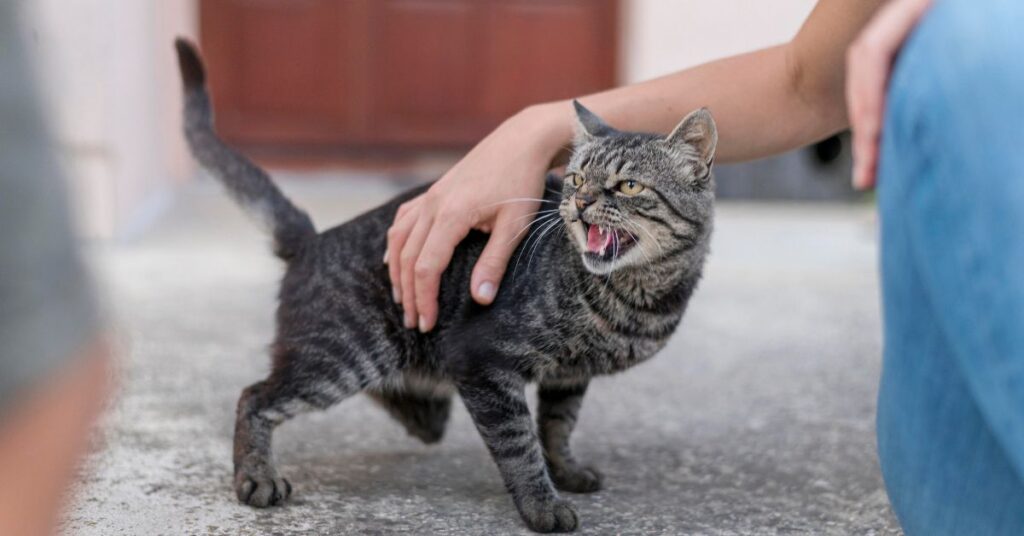
An infected person’s brain and nervous system are harmed by rabies. It spreads mainly through bites from infected animals like raccoons, bats, foxes, or skunks common wildlife across the United States.
Once symptoms appear, rabies is almost always fatal. That’s why prevention and early recognition are critical.
How Do Cats Get Rabies?
Cats usually get infected through:
- Bites from wild animals
- Scratches from infected animals
- Contact with infected saliva through open wounds
Even indoor cats can be exposed if:
- A bat enters your home
- Your cat escapes briefly outside
- You bring in an infected animal unknowingly
Early Cats with Rabies Behavior (Subtle Signs)
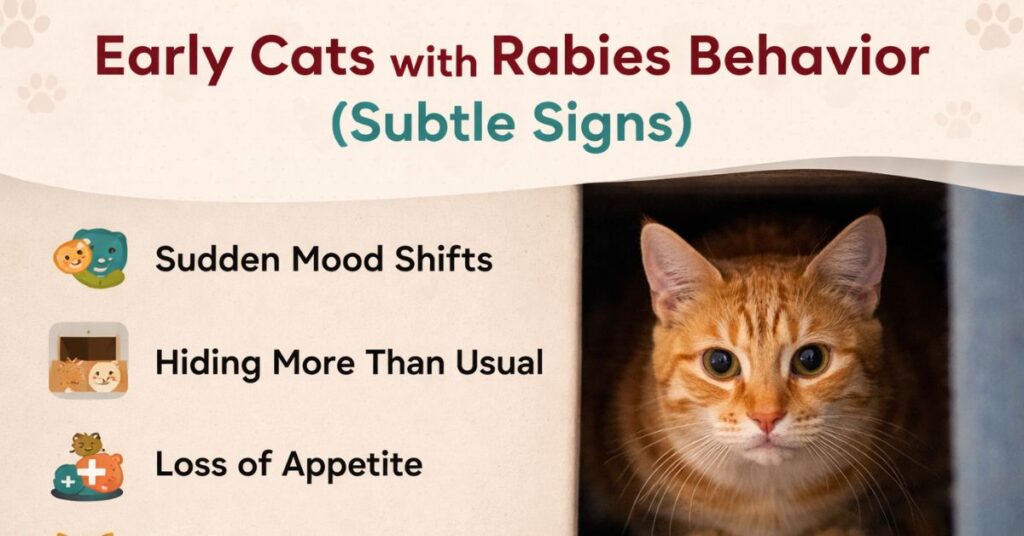
In the early stage, symptoms can be mild and easy to miss. This is where most owners fail to recognize the danger.
Common early behavior changes:
- Sudden personality shifts (friendly → withdrawn or aggressive)
- Hiding more than usual
- Loss of appetite
- Mild fever
- Unusual vocalization (excessive meowing)
At this stage, bold cats with rabies behavior often look like they’re just “not feeling well.”
Advanced Cats with Rabies Behavior (Serious Warning Signs)
As rabies progresses, symptoms become severe and unmistakable.
Aggression and Irritability
- Sudden biting or scratching
- Attacking without provocation
- Extreme sensitivity to noise or light
Neurological Symptoms
- Difficulty walking
- Loss of coordination
- Seizures
- Paralysis (especially hind legs)
Excessive Drooling
- Foaming at the mouth
- Inability to swallow
- Dropping food
Strange Behavior
- Eating non-food items (pica)
- Roaming aimlessly
- Acting disoriented
These are classic signs of bold cats with rabies behavior and require immediate action.
Rabies Stages in Cats (Simple Breakdown)
| Stage | Duration | Symptoms |
| Prodromal Stage | 1–3 days | Behavior changes, anxiety, mild fever |
| Furious Stage | 2–4 days | Aggression, biting, restlessness |
| Paralytic Stage | 2–4 days | Paralysis, drooling, coma |
Understanding these stages helps identify bold cats with rabies behavior early.
Furious vs Paralytic Rabies in Cats
Rabies doesn’t always look the same. There are two main forms:
Furious Rabies (Most Common)
- Extreme aggression
- Hyperactivity
- Attacks people or objects
Paralytic Rabies (Silent Type)
- Weakness
- Gradual paralysis
- Less aggressive but equally dangerous
Both forms show bold cats with rabies behavior, but the signs differ.
What to Do If You Suspect Rabies in Your Cat
This is NOT a wait-and-see situation.
Immediate steps:
- Do NOT touch your cat with bare hands
- Isolate the cat in a safe area
- Keep children and other pets away
- Contact a veterinarian immediately
- Call local animal control if needed
Rabies is a public health emergency in the U.S., so authorities take it seriously.
Can Humans Get Rabies from Cats?
Yes and it’s extremely dangerous.
Rabies spreads to humans through:
- Bites
- Scratches
- Saliva entering open wounds
Once symptoms begin in humans, rabies is almost always fatal.
If exposed:
- Wash the wound immediately (soap + water for 15 minutes)
- Seek emergency medical care
- Get post-exposure vaccination
How to Prevent Rabies in Cats
Prevention is simple but crucial.
Vaccination (Most Important)
- A number of states in the United States require rabies vaccinations
- First shot: around 12–16 weeks
- Boosters: as recommended by your vet
Keep Cats Indoors
- Reduces exposure to wildlife
- Prevents fights with infected animals
Avoid Contact with Wild Animals
- Never let your cat interact with raccoons, bats, or stray animals
Secure Your Home
- Seal openings where bats can enter
- Use screens on windows
Preventing bold cats with rabies behavior is far easier than treating it.
When to Call a Vet Immediately
Call your vet if your cat shows:
- Sudden aggression
- Unexplained paralysis
- Excessive drooling
- Behavioral changes after a bite
Even if you’re unsure, it’s always better to be safe.
Real-Life Scenario (USA Context)
Imagine your indoor cat suddenly becomes aggressive after you found a bat in your house last night. At first, it seems like stress but within a day, your cat stops eating and starts drooling.
This is a classic example of bold cats with rabies behavior that many U.S. pet owners overlook.
Quick action in such situations can prevent serious consequences.
Common Myths About Rabies in Cats
Myth 1: Indoor cats don’t get rabies
❌ False bats can enter homes
Myth 2: Rabies always causes aggression
❌ False some cats become quiet and paralyzed
Myth 3: You can treat rabies at home
❌ False rabies is fatal once symptoms appear
Conclusion
Recognizing bold cats with rabies behavior is not just about protecting your pet it’s about protecting your entire household.
Rabies progresses quickly and leaves very little room for error. That’s why awareness, prevention, and fast action are essential.
Always keep your cat vaccinated, monitor unusual behavior closely, and never ignore sudden changes.
For more expert tips on cat health, behavior, and care, keep visiting KittyCareZone.com your trusted resource for raising happy and healthy cats. 🐾
It can take weeks to months after exposure, depending on the bite location and virus spread.
It’s extremely rare, but possible if vaccines are not up to date.
Wash the wound immediately and seek medical advice especially if rabies is suspected.
It’s not very common, but cases still occur every year, especially in outdoor cats.
No. Once symptoms appear, rabies is almost always fatal.

Ali Ahmad /Passionate writer sharing informative, engaging, and easy-to-read articles across different topics. Focused on delivering valuable content that helps readers learn, explore, and stay inspired every day.
1 thought on “Cats with Rabies Behavior: What Every Cat Owner Needs to Know”