

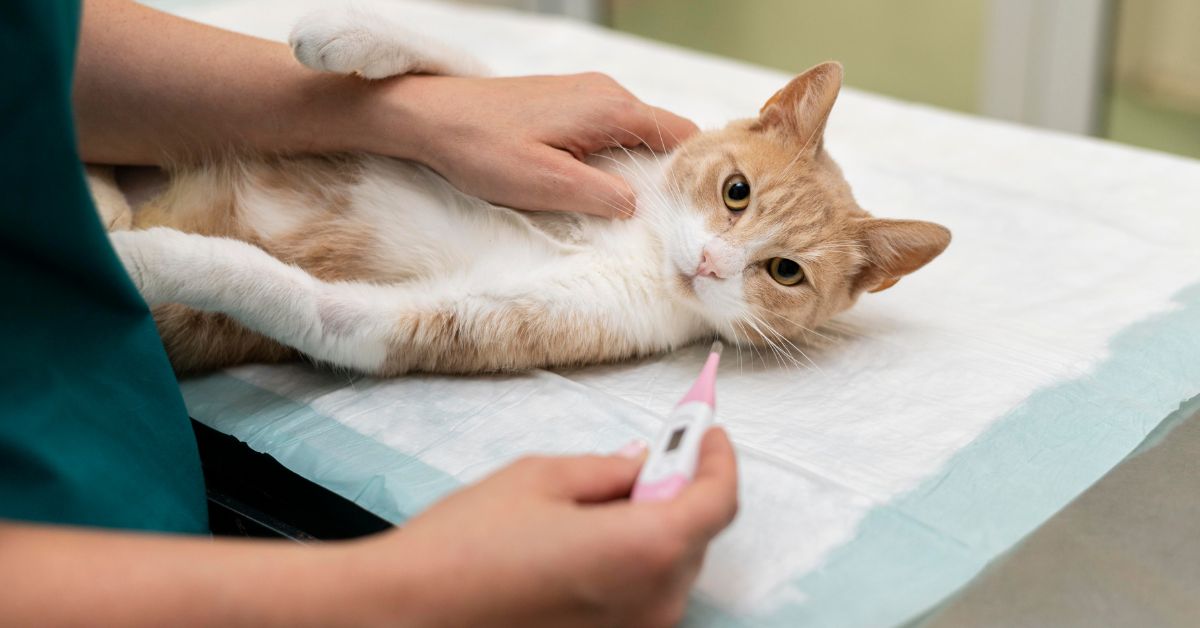
Cats are curious, adventurous, and sometimes a little too brave. Whether your cat got into a scuffle, scratched itself, or had a minor accident, wounds are something every cat owner will eventually face.
Knowing the right cat wounds treatment can make a huge difference. Treating a wound properly not only speeds up healing but also prevents infections and serious complications.
In this guide, you’ll learn how to identify different types of wounds, treat them safely at home, and recognize when it’s time to visit a vet.
Understanding Common Types of Cat Wounds
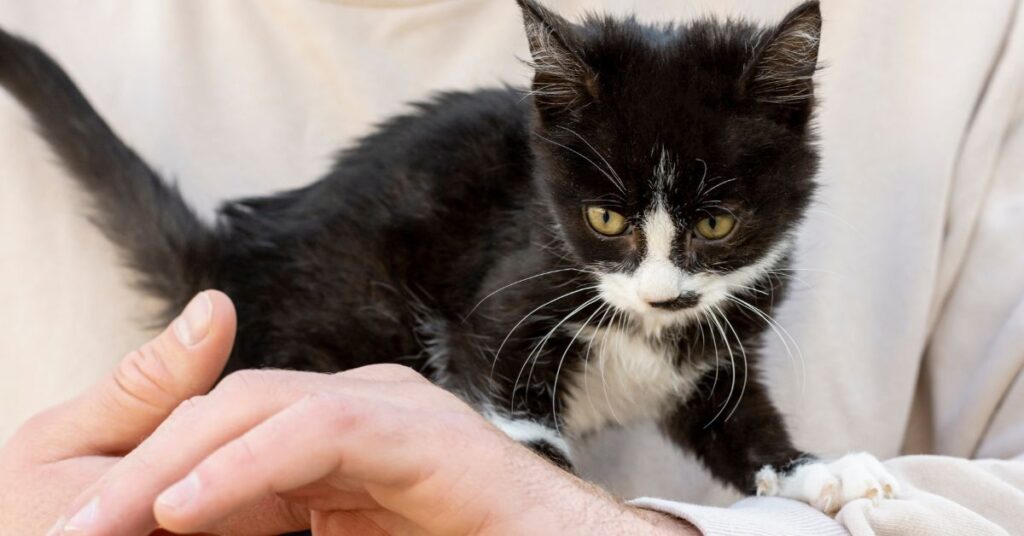
Not all wounds are the same. The treatment depends on the type and severity of the injury.
1. Minor Cuts and Scratches
These are usually superficial and affect only the top layer of skin.
Common causes:
- Sharp objects
- Rough play
- Climbing accidents
2. Bite Wounds
Bite wounds are more dangerous than they appear.
Why?
- They may look small on the surface
- But bacteria can go deep under the skin
These often lead to infections or abscesses.
3. Puncture Wounds
These are deep, narrow wounds caused by:
- Animal bites
- Sharp objects
They can trap bacteria inside, increasing infection risk.
4. Abscesses
An abscess is a swollen, pus-filled infection under the skin.
Signs include:
- Swelling
- Warmth
- Pain
- Sometimes leaking pus
Signs a Cat Wound Needs Attention
Not every wound is obvious at first glance. Watch for these signs:
- Limping or favoring one area
- Excessive licking or biting
- Swelling or redness
- Bleeding
- Foul smell
- Discharge (pus)
- Behavioral changes (hiding, aggression)
If you notice any of these, start cat wound treatment immediately or consult a vet.
Step-by-Step Cat Wounds Treatment at Home
For minor wounds, you can safely treat your cat at home if done correctly.
Step 1: Keep your cat under control by staying calm
Cats may panic when in pain.
Tips:
- Wrap your cat in a towel
- Speak softly
- Ask someone to help if needed
Step 2: Stop the Bleeding
If the wound is bleeding:
- Use a clean cloth or gauze
- Apply gentle pressure for 5–10 minutes
Avoid constant checking it can restart bleeding.
Step 3: Clean the Wound
Cleaning is the most important part of cat wounds treatment.
Use:
- Warm water
- Saline solution
Avoid:
- Hydrogen peroxide (can damage tissue)
- Alcohol (painful and harmful)
Step 4: Disinfect Safely
Use pet-safe antiseptics like:
- Chlorhexidine solution
- Diluted iodine (light tea color)
Apply gently using gauze.
Step 5: Apply an Antibiotic Ointment
Use a vet-approved ointment in a thin layer.
Important:
- Avoid human creams unless approved
- Prevent licking (use an e-collar if needed)
Step 6: Monitor the Wound Daily
Check for:
- Redness
- Swelling
- Pus
- Bad odor
Healing should improve within 2–3 days.
Cat Wound Treatment Comparison Table
| Wound Type | Can Treat at Home | Risk Level | When to See Vet |
| Minor cuts | Yes | Low | If not healing in 3 days |
| Scratches | Yes | Low | If signs of infection |
| Bite wounds | Sometimes | High | Immediately recommended |
| Puncture wounds | No | High | Always |
| Abscess | No | Very High | Urgent care needed |
When to See a Veterinarian
While home care works for small injuries, some situations require professional help.
Seek veterinary care if:
- The wound is deep or large
- Bleeding doesn’t stop
- You see pus or swelling
- Your cat has a fever
- The wound smells bad
- It’s a bite wound (especially from another animal)
Delaying proper cat wounds treatment can lead to serious infections.
Preventing Infection in Cat Wounds
Infection is the biggest risk with any wound.
Here’s how to prevent it:
- Keep the wound clean and dry
- Prevent licking or scratching
- Use an Elizabethan collar if needed
- Keep your cat indoors during healing
- Follow a daily cleaning routine
Real-Life Example: Indoor Cat Injury
Let’s say your indoor cat scratches itself on furniture.
What should you do?
- Clean the area with saline
- Apply antiseptic
- Monitor for 48 hours
If the wound stays small and clean, it will heal quickly.
If swelling or redness appears, switch to professional care.
Common Mistakes to Avoid
Many cat owners unknowingly make mistakes during cat wounds treatment.
Avoid these:
- Using human antiseptics without dilution
- Ignoring small wounds (they can worsen)
- Letting your cat lick the wound
- Skipping cleaning steps
- Waiting too long to see a vet
Even a small bite can turn into a serious infection.
Tips to Speed Up Healing
Want your cat to recover faster? Follow these expert tips:
- Feed a high-protein diet
- Keep your cat hydrated
- Minimize stress
- Keep the environment clean
- Follow consistent wound care routine
Healthy cats heal much faster than stressed or malnourished ones.
How Long Do Cat Wounds Take to Heal?
Healing time depends on the wound type:
- Minor cuts: 3–7 days
- Moderate wounds: 1–2 weeks
- Infected wounds: 2–4 weeks (with treatment)
Consistency in cat wounds treatment is key to faster recovery.
Conclusion
Dealing with cat injuries can feel stressful, but knowing the right cat wounds treatment makes all the difference. From cleaning and disinfecting to recognizing serious warning signs, proper care ensures your cat heals safely and quickly.
Always remember when in doubt, consult a veterinarian. It’s better to be cautious than risk complications.
For more expert pet care guides, tips, and trusted advice, keep visiting KittyCareZone.com your go-to resource for keeping your feline friend happy and healthy.
Only if diluted and vet-approved. Cats are sensitive to many human products.
Signs include swelling, redness, pus, bad smell, and pain.
Most minor wounds heal better uncovered, but larger wounds may need dressing.
It can develop into an abscess or serious infection within days.
Minor wounds may heal naturally, but proper cat wounds treatment speeds recovery and prevents complications.

Ali Ahmad /Passionate writer sharing informative, engaging, and easy-to-read articles across different topics. Focused on delivering valuable content that helps readers learn, explore, and stay inspired every day.
1 thought on “Cat Wounds Treatment: A Complete Guide for Cat Owners”