

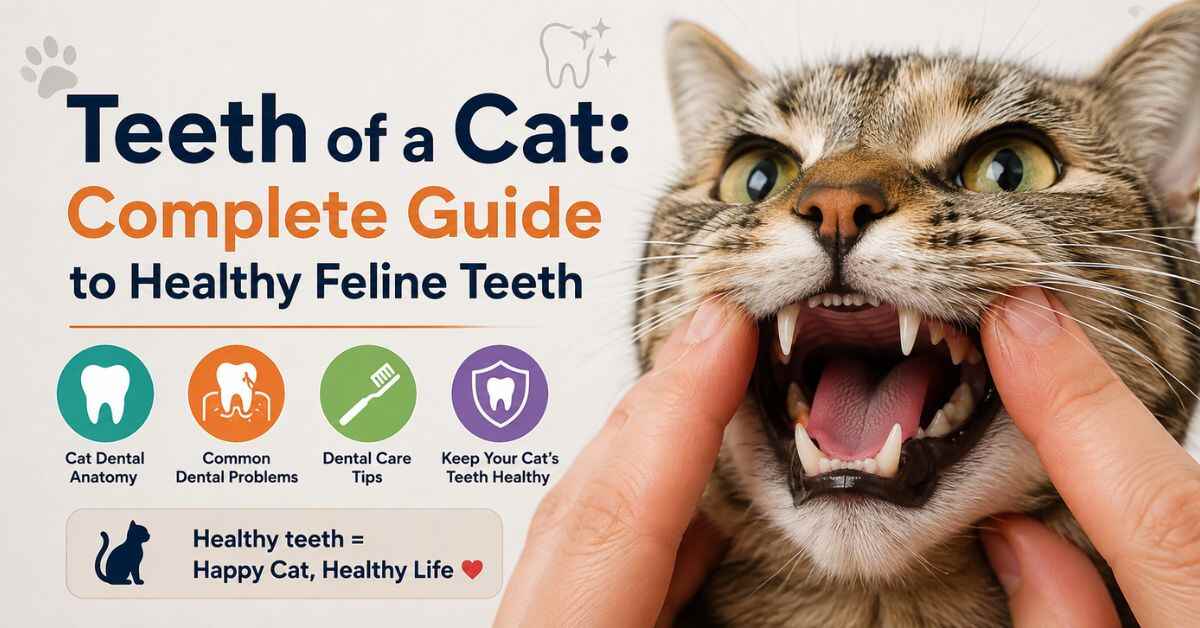
A cat’s teeth do much more than help them eat. They are essential for hunting, grooming, carrying kittens, self-defense, and overall health. Understanding the teeth of a cat helps pet owners recognize normal dental development, identify early signs of disease, and provide proper dental care throughout their cat’s life.
Dental disease is one of the most common health problems in cats. In fact, many adult cats develop some form of dental disease by the age of three. The good news is that regular care and early prevention can keep your feline companion comfortable and healthy for years.
In this complete guide, you’ll learn everything about the teeth of a cat, from kitten teeth to adult teeth, common dental problems, cleaning methods, and expert care tips.
Understanding the Teeth of a Cat
The teeth of a cat are specially designed for a carnivorous diet. Unlike humans, cats do not chew food extensively. Instead, their sharp teeth tear meat into bite-sized pieces before swallowing.
A healthy cat’s mouth contains different types of teeth, each serving a unique purpose.
Types of Cat Teeth
| Tooth Type | Number | Main Function |
| Incisors | 12 | Grasping food and grooming |
| Canines | 4 | Catching prey and defense |
| Premolars | 10 | Cutting and tearing meat |
| Molars | 4 | Crushing small food pieces |
Adult cats have a total of 30 permanent teeth.
How Many Teeth Does a Cat Have?
Cats go through two stages of dental development.
Kitten Teeth
Kittens are born without visible teeth.
Their baby teeth, also called deciduous teeth, begin appearing around:
- 2–3 weeks: Incisors
- 3–4 weeks: Canines
- 4–6 weeks: Premolars
By about 8 weeks of age, kittens have 26 baby teeth.
Adult Teeth
Permanent teeth start replacing baby teeth at around 3 to 4 months.
Most cats have all 30 adult teeth by the time they are 6 to 7 months old.
This transition is completely normal and may involve:
- Mild chewing
- Drooling
- Slight gum irritation
- Finding tiny baby teeth around the house
Anatomy of the Teeth of a Cat
Each tooth has several important layers.
Enamel
The hard outer covering protects the tooth.
Dentin
This middle layer supports the enamel and contains microscopic tubules.
Pulp
The center of the tooth contains nerves and blood vessels.
Root
The root anchors the tooth securely inside the jawbone.
Healthy gums keep these structures protected from infection.
Why Cat Teeth Are So Important
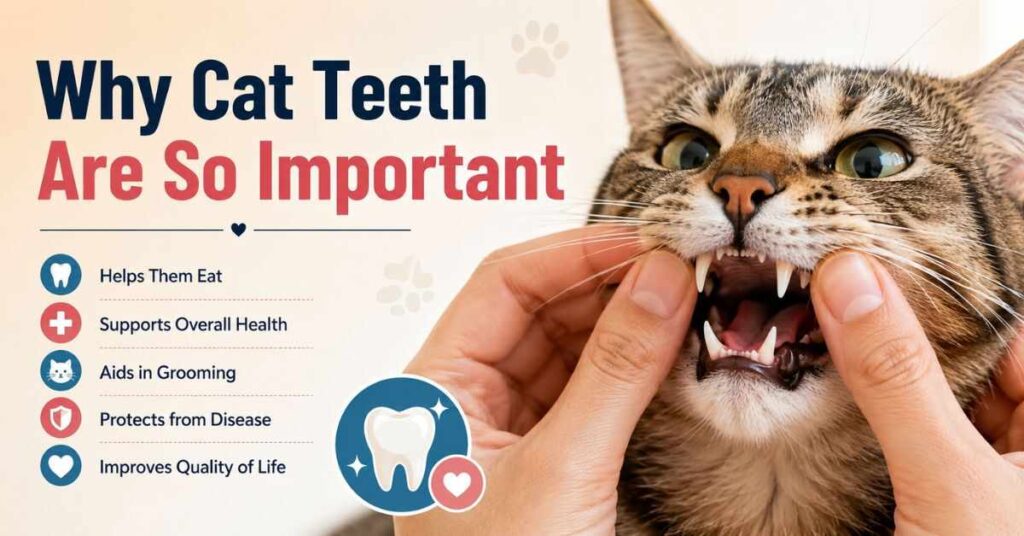
The teeth of a cat affect far more than eating.
Healthy teeth help cats:
- Eat comfortably
- Groom properly
- Defend themselves
- Carry kittens safely
- Prevent painful infections
- Maintain overall health
Poor dental health can even affect the heart, kidneys, and liver if bacteria enter the bloodstream.
Common Dental Problems in Cats
Dental disease often develops slowly.
Many cats hide pain remarkably well, making regular dental checks essential.
Plaque and Tartar
Plaque forms naturally after meals.
If not removed, it hardens into tartar.
Tartar irritates the gums and creates an ideal environment for bacteria.
Signs include:
- Yellow or brown buildup
- Bad breath
- Inflamed gums
Gingivitis
Gingivitis is inflammation of the gums.
Early symptoms include:
- Red gums
- Swelling
- Bleeding
- Bad breath
Fortunately, gingivitis is reversible when treated early.
Periodontal Disease
Periodontal disease is one of the most common diseases affecting the teeth of a cat.
It damages:
- Gums
- Tooth roots
- Jawbone
- Supporting tissues
Without treatment, teeth may loosen and eventually fall out.
Tooth Resorption
Tooth resorption is extremely common in cats.
The tooth gradually breaks down from the inside.
Signs include:
- Difficulty eating
- Chattering while eating
- Excessive drooling
- Pain when touched near the mouth
Veterinary treatment is usually necessary.
Broken Teeth
Cats can fracture teeth by:
- Chewing hard objects
- Trauma
- Falls
- Accidents
Broken teeth expose nerves and can become extremely painful.
Stomatitis
Feline stomatitis is a severe inflammatory disease affecting the mouth.
Symptoms include:
- Severe pain
- Excessive drooling
- Weight loss
- Refusal to eat
- Bleeding gums
Treatment often requires advanced veterinary care.
Signs Your Cat Has Dental Problems
Cats rarely show obvious signs of pain.
Watch for:
- Persistent bad breath
- Difficulty chewing
- Eating only soft food
- Dropping food
- Pawing at the mouth
- Bleeding gums
- Loose teeth
- Swollen face
- Excessive drooling
- Weight loss
- Reduced grooming
Early detection greatly improves treatment success.
How to Keep the Teeth of a Cat Healthy
Prevention is always better than treatment.
Brush Your Cat’s Teeth
Dentistry continues to be dominated by brushing.
Use:
- Cat-specific toothpaste
- Soft pet toothbrush
- Finger brush if needed
Never use human toothpaste because it contains ingredients that can be harmful to cats.
Aim to brush at least three times weekly, although daily brushing is ideal.
Feed a Balanced Diet
A nutritious diet supports healthy gums and teeth.
Your veterinarian may recommend special dental diets designed to reduce plaque accumulation.
Fresh water should always be available.
Offer Safe Dental Treats
Dental treats may help reduce plaque when approved by veterinarians.
Look for products specifically formulated for cats.
Remember that treats should complement not replace regular brushing.
Provide Dental Toys
Safe chew toys encourage natural chewing behaviors that may help maintain oral health.
Make sure you avoid very hard objects that may fracture your teeth.
Schedule Regular Veterinary Dental Exams
Annual dental examinations allow veterinarians to identify problems before they become serious.
Senior cats or cats with previous dental disease may need more frequent checkups.
Professional cleanings under anesthesia remove tartar from areas impossible to clean at home.
Can Cats Live Without Teeth?
Yes.
Many cats live happy, comfortable lives after tooth extractions.
Cats primarily swallow food rather than chew extensively.
Most adapt quickly and continue eating normally, especially when provided appropriate food during recovery.
Kitten Dental Care Tips
Healthy dental habits begin early.
For kittens:
- Start gentle mouth handling
- Introduce tooth brushing gradually
- Provide safe chew toys
- Monitor baby tooth loss
- Schedule regular veterinary visits
Positive early experiences make lifelong dental care easier.
Senior Cat Dental Care
Older cats have increased dental risks.
Extra attention should include:
- Routine oral examinations
- Watching for appetite changes
- Monitoring weight
- Regular professional cleanings when recommended
- Soft food if advised by your veterinarian
Senior cats often benefit from more frequent dental evaluations.
Myths About the Teeth of a Cat
Myth 1: Bad Breath Is Normal
False.
Persistent bad breath usually indicates dental disease.
Myth 2: Dry Food Cleans Teeth
Not entirely.
While some prescription dental diets may help, regular kibble alone does not prevent dental disease.
Myth 3: Cats Don’t Need Tooth Brushing
False.
Brushing remains the most effective home dental care method.
Myth 4: Tooth Loss Is Normal With Age
False.
Healthy cats should keep their teeth throughout life with proper care.
Daily Dental Care Checklist
A simple routine can protect the teeth of a cat.
Brush teeth regularly
Feed a balanced diet
Provide fresh water
Offer approved dental treats
Monitor for bad breath
Check gums monthly
Schedule yearly veterinary dental exams
When Should You Visit a Veterinarian?
Seek veterinary care if your cat experiences:
- Persistent bad breath
- Broken teeth
- Bleeding gums
- Swollen mouth
- Difficulty eating
- Loose teeth
- Excessive drooling
- Facial swelling
- Sudden weight loss
- Mouth pain
Prompt treatment prevents complications and improves your cat’s quality of life.
Final Thoughts
The teeth of a cat play a vital role in overall health, comfort, and longevity. Good dental care doesn’t have to be complicated. A combination of regular brushing, proper nutrition, routine veterinary checkups, and early detection of dental problems can significantly reduce the risk of painful oral diseases.
By making dental care part of your cat’s regular routine, you’ll help ensure they enjoy comfortable eating, healthy gums, and a better quality of life. At KittyCareZone.com, we’re committed to providing trusted, practical advice to help you care for every aspect of your feline friend’s health including their smile.
Adult cats have 30 permanent teeth, while kittens have 26 baby teeth before their adult teeth develop.
Most kittens begin losing baby teeth at around 3 to 4 months of age and usually have all permanent teeth by 6 to 7 months.
Daily brushing is ideal, but brushing at least three times per week can still help reduce plaque and support good oral health.
No. Persistent bad breath often signals dental disease, gum infection, or another health issue and should be evaluated by a veterinarian.
Yes. Most cats adjust very well after tooth extractions and can continue eating comfortably once they have healed, following their veterinarian’s recommendations.

Ali Ahmad /Passionate writer sharing informative, engaging, and easy-to-read articles across different topics. Focused on delivering valuable content that helps readers learn, explore, and stay inspired every day.