

Introduction
Neutering is one of the most common and beneficial procedures for male cats. While the surgery itself is usually quick and safe, the recovery period matters just as much. Proper cat care after neutering helps prevent infections, reduces stress, and supports a smooth healing process.
Many cat owners feel nervous when bringing their cat home after surgery. You may notice your cat acting sleepy, refusing food, or hiding more than usual. In most cases, these behaviors are completely normal during the first 24–48 hours.
The good news is that with the right care, most cats recover quickly and return to their playful personalities within days.
In this complete guide, you’ll learn how to care for your cat after neutering, what signs are normal, what problems to watch for, and how to make recovery easier for both you and your pet.
What Is Neutering in Cats?
Neutering is a surgical procedure that removes a male cat’s testicles to prevent reproduction. Veterinarians perform this surgery under anesthesia, and it is considered routine in the United States.
Neutering offers several long-term benefits, including:
- Reduced spraying and marking behavior
- Lower aggression levels
- Decreased roaming tendencies
- Reduced risk of certain diseases
- Prevention of unwanted litters
Most cats are neutered between 4 and 6 months of age, though adult cats can also safely undergo the procedure.
Why Proper Cat Care After Neutering Matters
Although neutering is less invasive than many surgeries, your cat still needs time to recover. Good aftercare lowers the risk of complications and keeps your cat comfortable.
Without proper care, cats may experience:
- Infection at the incision site
- Excessive licking or biting of stitches
- Swelling or bleeding
- Delayed healing
- Stress-related behavior changes
Simple steps at home can make a major difference in recovery.
What to Expect Right After Surgery
The first day after surgery is usually the most important.
Your cat may seem:
- Sleepy or groggy
- Less active than normal
- Slightly unsteady while walking
- Quiet or withdrawn
- Less interested in food
These effects are often caused by anesthesia and should improve within 24 hours.
Some cats recover quickly and act normal by the next morning, while others need a few days to fully regain energy.
Preparing Your Home for Recovery
Before bringing your cat home, create a calm recovery space.
Set Up a Quiet Area
Choose a warm, quiet room away from children, loud TVs, and other pets. A small bedroom or laundry room often works well.
Include:
- Soft bedding
- Fresh water
- A clean litter box
- Easy access to food
- Dim lighting for comfort
Cats recovering from surgery prefer peaceful environments.
Limit Jumping and Running
Too much movement can strain the incision area.
For at least 7–10 days:
- Prevent climbing
- Avoid rough play
- Limit jumping on furniture
- Keep energetic pets separated
If needed, keep your cat in a smaller room temporarily.
Feeding Tips After Neutering
Food plays an important role in cat care after neutering.
First Meal After Surgery
Your veterinarian may recommend offering a small meal several hours after arriving home.
Start with:
- Half the normal food portion
- Wet food if your cat prefers softer meals
- Plenty of fresh water
Mild nausea after anesthesia is common, so some cats eat less during the first night.
Watch Appetite Carefully
A healthy appetite usually returns within 24 hours.
Call your vet if your cat:
- Refuses food for more than 24 hours
- Vomits repeatedly
- Cannot keep water down
Activity Restrictions After Neutering
Many cat owners underestimate how active their pets can be after surgery.
Even if your cat seems energetic, internal healing still takes time.
Activities to Avoid
During recovery, avoid:
- Jumping on shelves
- Chasing toys aggressively
- Running up stairs repeatedly
- Outdoor access
- Wrestling with other pets
Outdoor cats should remain indoors until fully healed.
Understanding the Healing Process
The incision area may look slightly red or swollen at first. Mild swelling is often normal.
However, the wound should gradually improve each day.
Normal Healing Signs
Healthy recovery signs include:
- Small incision line
- Mild redness
- Minimal swelling
- Dry incision site
- Improving energy levels
Warning Signs of Infection
Contact your veterinarian immediately if you notice:
- Pus or discharge
- Bad odor from incision
- Heavy bleeding
- Severe swelling
- Open stitches
- Fever or extreme lethargy
Quick treatment can prevent serious complications.
Recovery Timeline for Neutered Cats
Here’s a general recovery timeline most cat owners can expect:
| Time After Surgery | What to Expect |
| First 24 Hours | Sleepiness, reduced appetite, grogginess |
| Days 2–3 | Improved appetite and energy |
| Days 4–7 | Incision starts healing well |
| Days 7–10 | Most cats return to normal activity |
| 2 Weeks | Full healing for many cats |
Every cat heals differently, especially older cats.
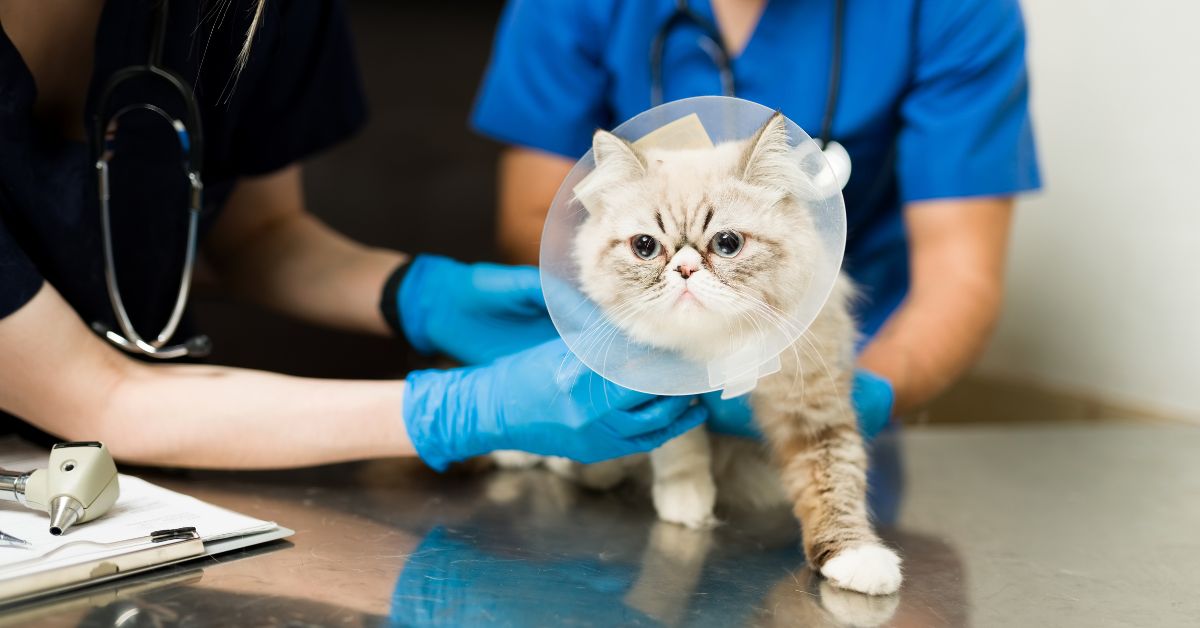
Should Cats Wear a Cone After Neutering?
Some cats ignore their incision, while others constantly lick it.
Excessive licking can lead to infection or reopen the wound.
When a Cone Is Necessary
Your vet may recommend:
- An Elizabethan collar (cone)
- Inflatable recovery collar
- Surgical recovery suit
While cats dislike cones at first, they are often necessary for safe healing.
Tips for Helping Cats Adjust
- Use shallow food bowls
- Give extra reassurance
- Keep pathways clear
- Monitor eating and drinking
Most cats adjust within a day or two.
Litter Box Care After Surgery
Clean litter box habits are essential during recovery.
Keep the Box Extra Clean
Dirty litter can introduce bacteria to the incision.
Helpful tips include:
- Scoop at least twice daily
- Use dust-free litter if possible
- Avoid heavily scented litter
- Place the box nearby for easy access
Monitor bathroom habits closely.
Watch for Urination Problems
Contact your vet if your cat:
- Strains to urinate
- Cries while using the litter box
- Stops urinating completely
- Has blood in urine
Urinary issues require immediate attention.
Behavioral Changes After Neutering
Some cats behave differently for a short time after surgery.
Common temporary changes include:
- Hiding more
- Sleeping extra hours
- Mild irritability
- Reduced playfulness
These behaviors usually improve as healing progresses.
Long-Term Behavioral Benefits
After recovery, many owners notice positive behavioral changes.
Neutered cats often become:
- Calmer
- Less aggressive
- Less likely to roam
- Less likely to spray indoors
Hormonal changes may take several weeks to fully settle.
Indoor vs Outdoor Recovery
Indoor recovery is strongly recommended.
Outdoor environments expose healing cats to:
- Dirt and bacteria
- Fighting with other animals
- Excessive activity
- Injury risks
Even outdoor cats should stay inside during recovery.
Common Mistakes Cat Owners Make
Avoiding these mistakes can help your cat heal faster.
Letting Cats Roam Too Soon
Cats may seem normal before fully healing. When the incision is overexerted, it may reopen.
Ignoring Excessive Licking
Persistent licking should never be ignored.
Skipping Pain Medication
Always follow the vet’s instructions for medication. Never give human painkillers to cats.
Missing Follow-Up Visits
Some cats need post-surgery checkups to ensure proper healing.
Best Foods for Recovery
Nutrition supports healing and immune function.
Recommended Foods
Choose foods that are:
- High in protein
- Easy to digest
- Moisture-rich
- Nutritionally balanced
Wet food can encourage hydration.
Weight Gain After Neutering
Neutered cats may gain weight more easily because metabolism can slow slightly.
To prevent obesity:
- Measure portions carefully
- Encourage gentle play after healing
- Avoid overfeeding treats
Maintaining a healthy weight supports long-term wellness.
Signs Your Cat Is Recovering Well
A recovering cat usually shows gradual improvement every day.
Positive signs include:
- Eating normally
- Drinking water regularly
- Using the litter box
- Grooming lightly
- Returning to playful behavior
- Healthy-looking incision
Most cats bounce back surprisingly fast with proper care.
Practical Recovery Tips for Cat Owners
Here are simple but effective recovery tips:
Keep a Daily Recovery Checklist
Track:
- Appetite
- Water intake
- Bathroom habits
- Medication schedule
- Incision appearance
This helps you spot problems early.
Use Soft Bedding
Comfortable bedding reduces stress and encourages rest.
Minimize Stress
Keep visitors, loud sounds, and sudden disruptions to a minimum.
Follow Vet Instructions Carefully
Every cat’s medical situation is different. Always prioritize veterinary advice.
Comparison Table: Normal vs Concerning Symptoms
| Normal Symptoms | Concerning Symptoms |
| Mild sleepiness | Extreme lethargy |
| Small amount of redness | Large swelling |
| Slightly lower appetite | Refusing food over 24 hours |
| Quiet behavior | Crying in pain constantly |
| Mild grogginess | Difficulty breathing |
| Small incision | Open wound or discharge |
Knowing the difference can help you act quickly if needed.
How Long Should You Monitor Your Cat?
The first week should be monitored closely.
Most vets recommend checking:
- Incision twice daily
- Eating habits daily
- Bathroom use daily
- Activity levels regularly
Even after healing looks complete, continue watching for unusual behavior changes.
Conclusion
Proper cat care after neutering plays a major role in helping your pet recover safely and comfortably. While the procedure itself is routine, attentive aftercare helps prevent infections, reduces stress, and supports faster healing.
By creating a calm recovery space, monitoring the incision, limiting activity, and following your veterinarian’s instructions, you can make the healing process much smoother for your cat.
Every cat recovers differently, so patience and observation are important during the first couple of weeks. With proper care, most cats return to their happy, playful selves very quickly.
At KittyCareZone.com, we believe informed cat owners create healthier and happier lives for their pets. Keep learning, stay observant, and always prioritize your cat’s comfort and well-being.
Most cats recover within 7–10 days. Some may feel normal within a few days, but complete healing still takes time.
It’s best to prevent jumping for at least a week. Excessive movement can slow healing or reopen the incision.
Yes. Sleepiness is common during the first 24–48 hours due to anesthesia and recovery.
Yes. Excessive licking can cause infection or damage stitches. Use a cone if needed.
Most veterinarians recommend waiting until the incision fully heals, usually around 10–14 days.
A healthy incision should be clean, dry, and only mildly red or swollen.

Ali Ahmad /Passionate writer sharing informative, engaging, and easy-to-read articles across different topics. Focused on delivering valuable content that helps readers learn, explore, and stay inspired every day.
1 thought on “Cat Care After Neutering: Everything You Need to Know”