

Introduction
Cats are experts at hiding illness. By the time many owners notice something is wrong, kidney problems may already be developing. Kidney disease is one of the most common health issues in adult and senior cats across the United States, especially in cats over age seven.
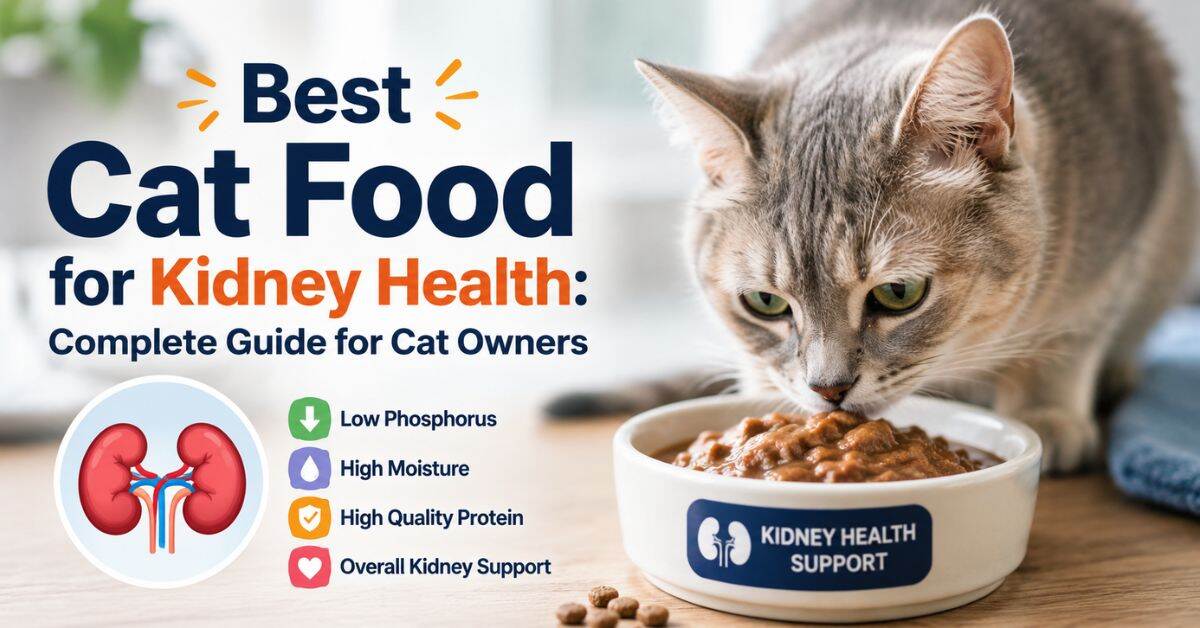
The good news is that the right diet can make a major difference. Choosing the best cat food for kidney health may help support kidney function, improve hydration, and give your cat a better quality of life.
If you are confused by labels like “renal support,” “low phosphorus,” or “prescription diet,” this guide will help you understand what really matters when selecting food for your cat.
Why Kidney Health Matters in Cats
A cat’s kidneys play several important roles in the body. They help:
- Filter waste from the blood
- Balance fluids
- Maintain healthy blood pressure
- Support hydration
- Regulate minerals
When the kidneys stop working properly, toxins can build up in the bloodstream. This condition is commonly known as chronic kidney disease (CKD).
Kidney disease can affect cats slowly over time, and early signs are easy to miss.
Common Signs of Kidney Problems in Cats
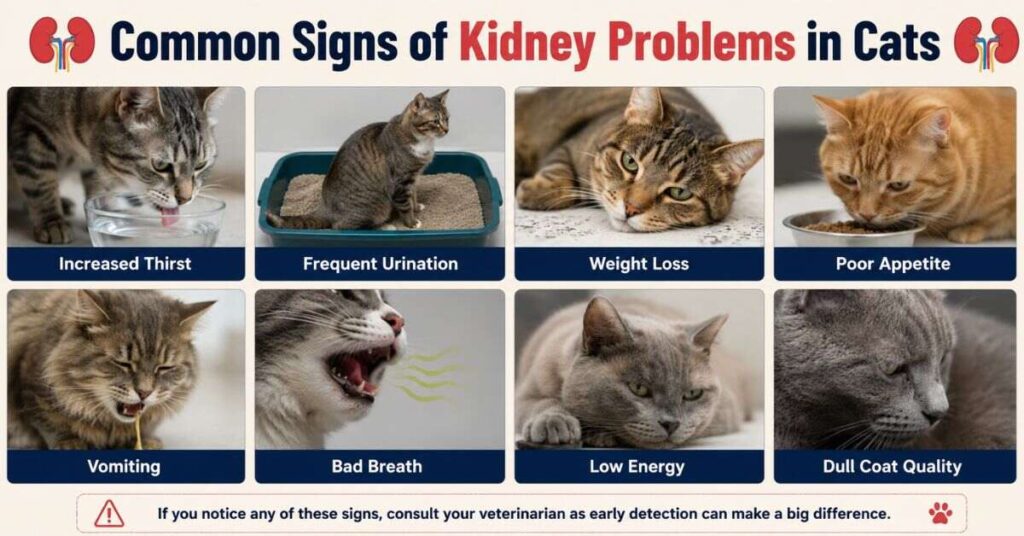
Watch for symptoms such as:
- Increased thirst
- Frequent urination
- Weight loss
- Poor appetite
- Vomiting
- Bad breath
- Low energy
- Dull coat quality
If your cat shows any of these signs, schedule a veterinary visit as soon as possible.
What Makes the Best Cat Food for Kidney Health?
Not all cat foods are suitable for cats with kidney concerns. Kidney-friendly diets are carefully designed to reduce stress on the kidneys while still providing complete nutrition.
Here are the most important features to look for.
Low Phosphorus Content
Phosphorus is one of the biggest dietary concerns for cats with kidney disease.
When kidney function declines, cats cannot remove excess phosphorus effectively. High phosphorus levels may worsen kidney damage over time.
A good cat food for kidney health usually contains controlled or reduced phosphorus levels.
Moderate, High-Quality Protein
Cats still need protein because they are obligate carnivores. However, excessive low-quality protein can create extra waste products that stressed kidneys struggle to process.
The ideal kidney-support diet includes:
- Moderate protein levels
- Highly digestible animal protein
- Real meat sources
It is best to stay away from foods that contain cheap fillers or unidentified meat by-products.
Increased Moisture
Hydration is critical for kidney health.
Wet food is often recommended because it helps cats consume more water naturally. Many cats do not drink enough water on their own.
Wet kidney diets can help:
- Reduce dehydration
- Support urinary health
- Improve appetite
Dry food is not always harmful, but wet food is usually preferred for cats with kidney issues.
Reduced Sodium
Too much sodium may contribute to high blood pressure, which can worsen kidney disease.
Kidney-support cat foods usually contain controlled sodium levels to help reduce stress on the kidneys.
Added Omega-3 Fatty Acids
Omega-3 fatty acids from fish oil may help reduce inflammation and support kidney function.
Look for ingredients like:
- Salmon oil
- Fish oil
- Menhaden fish oil
Wet vs. Dry Food for Kidney Health
Many cat owners wonder whether wet or dry food is better for kidney support.
Here is a simple comparison table.
| Feature | Wet Food | Dry Food |
| Moisture Content | High | Low |
| Hydration Support | Excellent | Limited |
| Appetite Appeal | Usually better | Moderate |
| Shelf Life | Shorter after opening | Longer |
| Kidney Support | Often preferred | May work with extra hydration |
| Cost | Higher | Lower |
For many cats, wet food is the better choice for kidney health because hydration is so important.
Ingredients to Look for in Kidney-Friendly Cat Food
Reading cat food labels can feel overwhelming. Focus on these beneficial ingredients.
High-Quality Animal Protein
Good examples include:
- Chicken
- Turkey
- Salmon
- Whitefish
- Rabbit
Don’t eat foods labeled “meat meal” or “animal digest.”
Moisture-Rich Formulas
Canned pâté or stew-style foods often contain more moisture than kibble.
Cats with kidney concerns benefit from extra hydration throughout the day.
Antioxidants
Antioxidants may help support overall health and immune function.
Helpful ingredients include:
- Vitamin E
- Vitamin C
- Blueberries
- Cranberries
Essential Vitamins and Minerals
Cats with kidney disease may lose important nutrients through increased urination.
Balanced renal diets often include:
- B vitamins
- Potassium
- Taurine
Ingredients to Avoid
Some ingredients may not be ideal for cats with kidney concerns.
Excessive Phosphorus
Avoid foods heavy in:
- Bone meal
- Large amounts of fish by-products
- Phosphate additives
Artificial Additives
Skip foods with:
- Artificial colors
- Artificial preservatives
- Excessive flavor enhancers
Too Much Sodium
Some budget cat foods contain high salt levels for flavor enhancement.
Kidneys can be further stressed by this.
Prescription vs. Non-Prescription Kidney Cat Food
Many owners ask whether prescription food is necessary.
The answer depends on your cat’s condition.
Prescription Renal Diets
Veterinarians often recommend prescription diets for cats diagnosed with kidney disease.
These diets are specifically formulated to:
- Lower phosphorus
- Support hydration
- Manage blood pressure
- Improve overall kidney function
Popular prescription renal diets in the U.S. include:
- Hill’s Prescription Diet k/d
- Royal Canin Renal Support
- Purina Pro Plan Veterinary Diets NF
Always consult your veterinarian before starting a prescription diet.
Non-Prescription Kidney-Friendly Foods
Some over-the-counter foods offer kidney-supportive nutrition for aging cats or cats with mild concerns.
These may include:
- Lower phosphorus formulas
- Senior cat diets
- High-moisture wet foods
However, they may not provide the same therapeutic benefits as prescription renal diets.
How to Transition Your Cat to Kidney Food
Cats can be very picky eaters, especially when they feel unwell.
Changing food too quickly may cause stress or digestive upset.
Gradual Transition Plan
Try this schedule:
| Day | Old Food | New Food |
| 1–2 | 75% | 25% |
| 3–4 | 50% | 50% |
| 5–6 | 25% | 75% |
| 7+ | 0% | 100% |
Tips for Picky Cats
Warm the Food Slightly
Warming wet food can improve smell and encourage eating.
Offer Smaller Meals
Cats with kidney disease may prefer multiple small meals each day.
Use a Quiet Feeding Area
Stress can reduce appetite.
Try Different Textures
Some cats prefer pâté while others like shredded or stew-style food.
Hydration Tips for Cats with Kidney Concerns
Proper hydration is just as important as food selection.
Encourage Water Intake
Helpful strategies include:
- Using cat water fountains
- Offering multiple water bowls
- Feeding wet food daily
- Adding water or broth to meals
Use Cat-Safe Broth
Low-sodium chicken broth can encourage hydration. Avoid broths with onion or garlic because they are toxic to cats.
Real-Life Example: Supporting an Older Cat with Kidney Issues
Many U.S. cat owners first notice kidney disease in senior cats.
For example, a 12-year-old indoor cat may suddenly:
- Drink more water
- Lose weight
- Become less playful
After veterinary testing, mild CKD is diagnosed.
Switching to a high-moisture cat food for kidney health, combined with regular vet checkups and better hydration, can often help stabilize the condition and improve comfort.
Early dietary changes frequently make a noticeable difference.
How Often Should Cats with Kidney Disease Eat?
Cats with kidney concerns often do better with:
- Smaller meals
- Frequent feeding schedules
- Consistent hydration
Many veterinarians recommend:
- 3–5 small meals daily
- Wet food as the primary diet
- Monitoring appetite closely
Never allow a cat to stop eating for long periods. Appetite loss in cats can become dangerous quickly.
Best Feeding Practices for Kidney Health
Maintain Healthy Weight
Obesity may increase health complications. Maintain the health of your cat’s body.
Avoid Too Many Treats
Treats high in sodium or phosphorus may interfere with kidney-friendly diets.
Choose limited-ingredient treats when possible.
Monitor Water Consumption
Sudden increases or decreases in water intake should be reported to your veterinarian.
Schedule Regular Vet Checkups
Routine bloodwork and urine testing help track kidney function over time.
Early intervention matters.
Common Mistakes Cat Owners Make
Waiting Too Long to Change Diet
Kidney disease often progresses slowly. Early nutritional support can help.
Feeding Only Dry Food
Cats naturally have low thirst drives. Relying only on dry kibble may reduce hydration.
Ignoring Appetite Changes
A reduced appetite can signal worsening kidney function.
Switching Foods Too Quickly
Abrupt diet changes may cause cats to reject new food completely.
Patience is important.
Can Healthy Cats Eat Kidney Support Food?
Kidney diets are usually designed for cats with diagnosed kidney concerns.
Healthy cats may not need restricted phosphorus or altered protein levels.
Always ask your veterinarian before feeding a renal-support diet to cats without kidney disease.
Tips for Choosing the Best Cat Food for Kidney Health
Here is a quick checklist before buying:
- Choose wet food when possible
- Look for low phosphorus levels
- Prioritize high-quality protein
- Avoid excessive sodium
- Select trusted brands
- Check AAFCO nutritional standards
- Consult your veterinarian
Conclusion
Choosing the right cat food for kidney health can play a major role in helping your cat live a healthier and more comfortable life. From moisture content to phosphorus control, every nutritional detail matters when supporting kidney function.
Pay close attention to your cat’s eating habits, hydration levels, and overall behavior. Small changes can sometimes signal larger health concerns.
Most importantly, work closely with your veterinarian to select the best diet for your cat’s specific needs.
At KittyCareZone.com, we believe informed cat owners make better decisions for their pets. With the right nutrition, regular veterinary care, and early attention to symptoms, you can help support your cat’s kidney health for years to come.
The best option depends on your cat’s medical condition, age, and nutritional needs. Prescription renal diets are commonly recommended for diagnosed kidney disease.
Yes. Wet food provides extra hydration, which is extremely important for kidney support.
Chronic kidney disease usually cannot be cured, but proper diet and veterinary care may help slow progression and improve quality of life.
Some senior cats may benefit from kidney-friendly nutrition, especially if early kidney changes are detected. Always consult your veterinarian first.
Cats with kidney disease often drink more than healthy cats. Fresh water should always be available.

Ali Ahmad /Passionate writer sharing informative, engaging, and easy-to-read articles across different topics. Focused on delivering valuable content that helps readers learn, explore, and stay inspired every day.
1 thought on “Best Cat Food for Kidney Health: Complete Guide for Cat Owners”