
Introduction
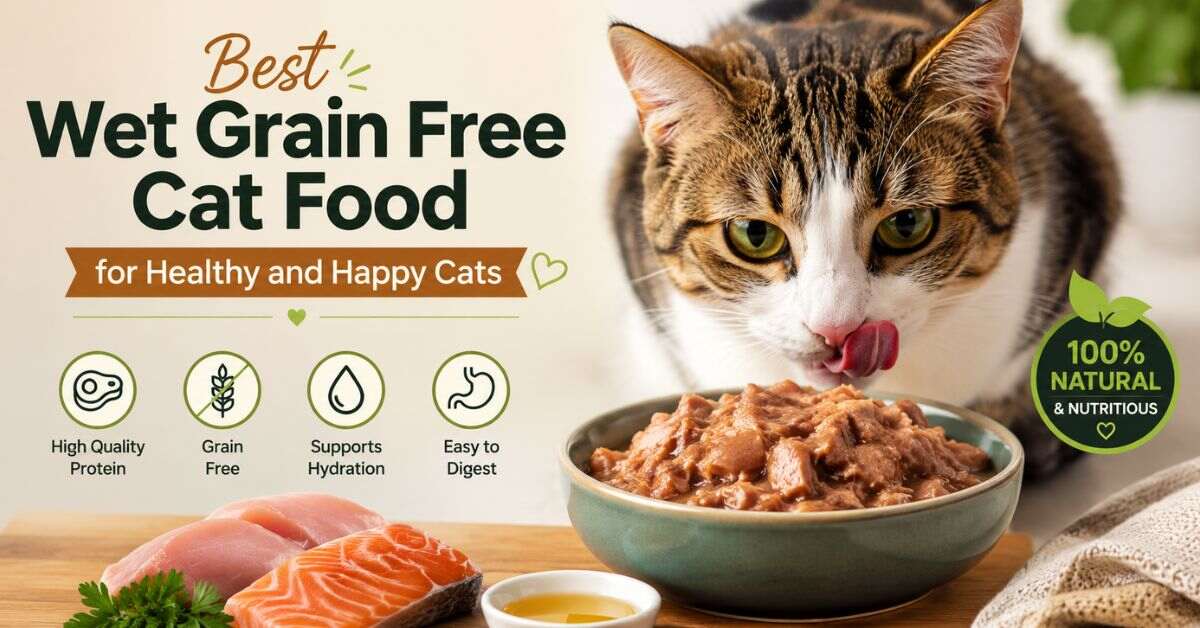
Choosing the right food for your cat can feel overwhelming. Walk into any pet store in the USA, and you’ll see endless shelves packed with canned foods, pouches, and premium recipes. Many cat owners are now switching to wet grain free cat food because they want a healthier and more natural diet for their pets.
Cats are obligate carnivores. That means they thrive on animal protein, not fillers or excessive carbohydrates. Grain-free wet food often contains more meat-based protein and moisture, making it easier for cats to digest while supporting hydration and overall wellness.
But is grain-free always better? And how do you choose the right one for your cat?
This guide covers everything you need to know about wet grain free cat food, including benefits, ingredients to look for, feeding tips, and common mistakes cat owners should avoid.
What Is Wet Grain Free Cat Food?
Wet grain free cat food is canned or pouch-style cat food made without grains such as:
- Corn
- Wheat
- Rice
- Soy
- Barley
Instead, these recipes focus heavily on animal proteins like chicken, turkey, salmon, tuna, or beef.
Wet food also contains high moisture content, usually around 70–80%, which helps cats stay hydrated. This is especially important because many cats naturally drink very little water.
Unlike dry kibble, wet food often resembles a cat’s natural prey diet more closely.
Why Many Cat Owners Prefer Grain-Free Wet Food
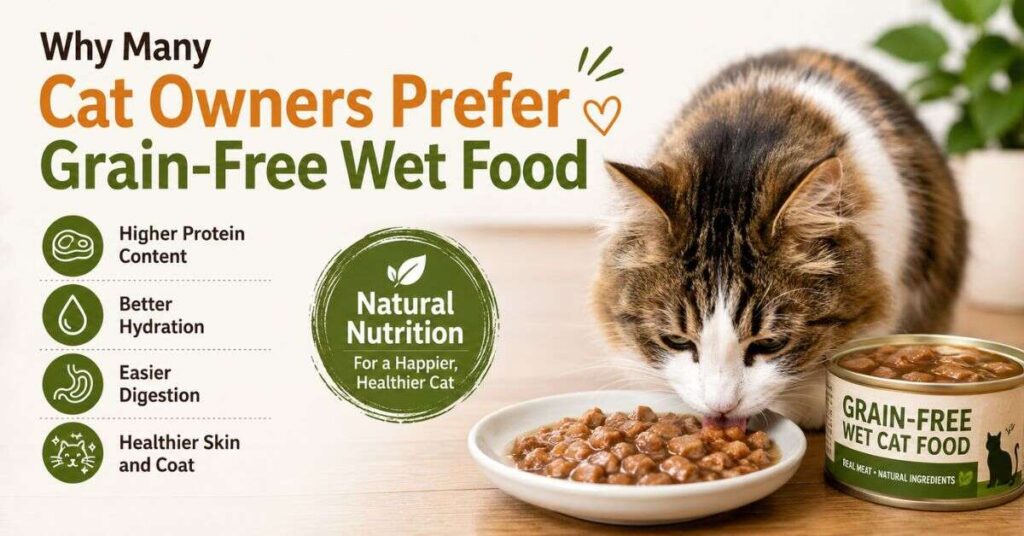
More American pet owners are paying attention to ingredient quality than ever before. Many are reading labels carefully and avoiding unnecessary fillers.
Here are some reasons why wet grain free cat food has become popular.
Higher Protein Content
Cats need protein for:
- Muscle maintenance
- Energy
- Healthy skin
- Strong immune function
Most grain-free wet foods prioritize meat ingredients instead of carbohydrates.
Better Hydration
Cats evolved from desert animals and naturally have a low thirst drive.
Wet food helps support:
- Kidney health
- Urinary tract health
- Proper hydration
This is especially useful for indoor cats.
Easier Digestion
Some cats experience digestive upset from grain-heavy diets. Switching to grain-free wet food may help reduce:
- Vomiting
- Gas
- Loose stool
- Bloating
Healthier Skin and Coat
High-quality animal fats and omega fatty acids can improve coat shine and reduce dry skin.
Many owners notice softer fur after switching to premium wet foods.
Is Grain-Free Food Good for All Cats?
Not every cat needs a grain-free diet. Some cats tolerate grains perfectly well.
However, grain-free wet food may benefit cats with:
- Food sensitivities
- Allergies
- Sensitive stomachs
- Urinary issues
- Low water intake
Always talk to your veterinarian before making major dietary changes, especially if your cat has medical conditions.
Key Ingredients to Look For
Reading labels is one of the most important skills a cat owner can learn.
Here’s what to prioritize in wet grain free cat food.
Real Animal Protein First
Look for ingredients like:
- Chicken
- Turkey
- Salmon
- Tuna
- Duck
- Beef
The first ingredient should ideally be a named meat source.
Healthy Fats
Healthy fats support brain health and skin quality.
Look for:
- Fish oil
- Chicken fat
- Salmon oil
Essential Nutrients
Cats need specific nutrients including:
- Taurine
- Vitamin E
- Vitamin B12
- Omega-3 fatty acids
Taurine is especially critical because cats cannot produce enough on their own.
Limited Artificial Additives
Try to avoid foods with:
- Artificial colors
- Excess preservatives
- Unnecessary fillers
Simple ingredient lists are often better.
Ingredients You Should Avoid
Not all grain-free foods are equal. Some replace grains with poor-quality fillers.
Watch out for:
- Excess potatoes
- Too many peas
- Artificial flavors
- Meat by-products with unclear sources
- Added sugars
A grain-free label does not automatically mean healthy.
Wet Grain Free Cat Food vs Dry Food
Here’s a simple comparison table to help cat owners understand the differences.
| Feature | Wet Grain Free Cat Food | Dry Cat Food |
| Moisture Content | High | Low |
| Protein Quality | Usually higher | Varies |
| Hydration Support | Excellent | Limited |
| Shelf Life After Opening | Short | Longer |
| Texture | Soft | Crunchy |
| Best For | Hydration & digestion | Convenience |
| Carb Content | Lower | Often higher |
Many veterinarians recommend combining both wet and dry food depending on the cat’s needs.
Best Types of Cats for Grain-Free Wet Food
Indoor Cats
Indoor cats are often less active and prone to obesity.
Protein-rich wet food can help maintain healthy body weight while supporting hydration.
Senior Cats
Older cats may have dental problems or reduced appetite.
Soft wet food is easier to chew and often more appealing.
Cats with Urinary Issues
Higher moisture intake may help reduce urinary crystal formation in some cats.
Picky Eaters
Some cats simply prefer the smell and texture of wet food over kibble.
Common Myths About Grain-Free Cat Food
Myth 1: Grain-Free Means Carb-Free
This is false.
Many grain-free foods still contain carbohydrates from potatoes or legumes.
Myth 2: All Cats Need Grain-Free Diets
Not necessarily.
Healthy cats without sensitivities may digest grains without problems.
Myth 3: Wet Food Causes Dental Problems
Wet food alone does not automatically damage teeth.
Dental care depends on:
- Regular brushing
- Vet cleanings
- Dental treats
- Overall nutrition
How to Transition Your Cat to Wet Grain Free Food
Changing your cat’s food too quickly can upset their stomach.
Use a gradual transition over 7–10 days.
Suggested Transition Schedule
| Day | Old Food | New Food |
| 1–2 | 75% | 25% |
| 3–4 | 50% | 50% |
| 5–6 | 25% | 75% |
| 7+ | 0% | 100% |
Slow transitions help prevent digestive problems.
Feeding Tips for Better Results
Measure Portions Carefully
Wet food can still contribute to weight gain if overfed.
Follow feeding guidelines based on:
- Age
- Weight
- Activity level
Store Wet Food Properly
Once opened, refrigerate unused portions immediately.
Most wet food should be used within 2–3 days.
Serve at Room Temperature
Cold food from the refrigerator may not smell appealing to cats.
Let it sit for a few minutes before serving.
Keep Fresh Water Available
Even though wet food contains moisture, fresh water is still essential.
Signs Your Cat Likes the New Diet
Positive signs include:
- Better energy
- Shinier coat
- Healthy stool
- Increased appetite
- Better hydration
Cats often show visible improvement after moving to high-quality nutrition.
Warning Signs to Watch For
Stop the new food and contact your veterinarian if your cat develops:
- Persistent vomiting
- Severe diarrhea
- Extreme lethargy
- Refusal to eat
- Sudden weight loss
Every cat responds differently to dietary changes.
Budget vs Premium Grain-Free Wet Food
Many USA cat owners worry that premium foods are too expensive.
While premium foods cost more upfront, they may help reduce future health problems by supporting better nutrition.
However, you do not always need the most expensive option.
Focus on:
- Ingredient quality
- Protein source
- Nutritional balance
- Brand reputation
Practical Buying Tips for Cat Owners
Read the Label Carefully
Marketing terms can be misleading.
Always check actual ingredients.
Buy Small Quantities First
Cats can be picky. Test small cans before buying in bulk.
Watch Your Cat’s Reaction
The best food is one your cat eats happily while maintaining good health.
Rotate Protein Sources
Some owners rotate between chicken, turkey, and fish to provide dietary variety.
Homemade vs Commercial Wet Grain Free Cat Food
Homemade diets may sound appealing, but balancing feline nutrition is difficult.
Cats require precise nutrients including taurine and essential amino acids.
Commercial foods labeled “complete and balanced” are usually safer unless you work directly with a veterinary nutritionist.
How Often Should Cats Eat Wet Food?
Most adult cats do well with 2–3 meals daily.
Kittens usually need more frequent meals because they grow rapidly.
Meal frequency depends on:
- Age
- Health status
- Activity level
- Vet recommendations
Wet Grain Free Cat Food for Kittens
Kittens need:
- Higher calories
- More protein
- DHA for brain development
Always choose formulas specifically designed for kittens when feeding younger cats.
Environmental and Storage Considerations
Wet food packaging creates more waste than dry food.
To reduce waste:
- Recycle cans when possible
- Buy appropriately sized portions
- Store food correctly to avoid spoilage
Conclusion
Choosing the right wet grain free cat food can make a big difference in your cat’s overall health, energy, and happiness. High-quality wet food supports hydration, digestion, and protein intake while giving cats a diet closer to what their bodies naturally need.
Every cat is unique, so take time to observe how your pet responds to dietary changes. Focus on ingredient quality, balanced nutrition, and your veterinarian’s guidance rather than marketing claims alone.
At the end of the day, a healthy diet is one of the best investments you can make for your feline companion. For more trusted cat care guides and nutrition tips, keep visiting KittyCareZone.com.
Wet grain-free food offers higher moisture and often better protein quality. However, the best choice depends on your cat’s health and dietary needs.
Some cats with food sensitivities may improve on grain-free diets, but allergies are usually linked to protein sources rather than grains alone.
Feeding amounts vary based on age, weight, and activity level. Check the feeding guide on the product label and consult your veterinarian.
Yes, as long as it is formulated specifically for kittens and provides complete balanced nutrition.
Yes. Many cat owners combine wet and dry food to balance hydration, convenience, and texture preferences.

Ali Ahmad /Passionate writer sharing informative, engaging, and easy-to-read articles across different topics. Focused on delivering valuable content that helps readers learn, explore, and stay inspired every day.
1 thought on “Best Wet Grain Free Cat Food for Healthy and Happy Cats”