

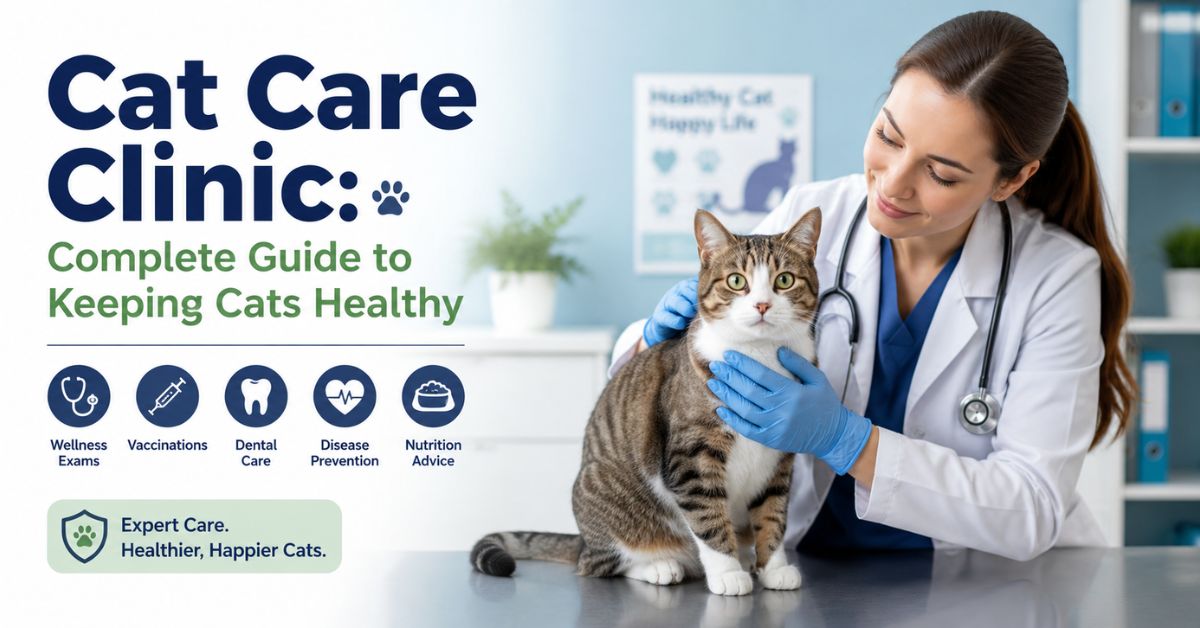
Cats are beloved family members, and their health deserves the same attention as any other pet. One of the best ways to ensure a long, happy life for your feline companion is by visiting a cat care clinic regularly. These specialized clinics focus on the unique needs of cats, offering preventive care, diagnostics, treatment, and wellness services tailored specifically for felines.
Many cat owners wait until their pet becomes sick before seeking veterinary help. However, routine visits to a cat care clinic can prevent many health problems before they become serious. From kitten vaccinations to senior cat wellness exams, professional veterinary care plays a crucial role throughout every stage of a cat’s life.
In this comprehensive guide, you’ll learn everything you need to know about choosing the right clinic, understanding available services, and helping your cat stay healthy for years to come.
What Is a Cat Care Clinic?
A cat care clinic is a veterinary facility that specializes in feline health and wellness. Unlike general veterinary practices that treat multiple animal species, many cat-focused clinics are designed specifically to meet the physical and emotional needs of cats.
These clinics often provide:
- Routine health examinations
- Vaccinations
- Parasite prevention
- Dental care
- Diagnostic testing
- Surgical procedures
- Nutritional counseling
- Behavioral consultations
- Emergency care
Because cats can become stressed in unfamiliar environments, many feline-focused clinics create quieter spaces and use cat-friendly handling techniques to reduce anxiety.
Why Regular Visits to a Cat Care Clinic Matter
Many illnesses in cats develop gradually and may not show obvious symptoms in the early stages. Regular veterinary visits allow professionals to identify potential problems before they become severe.
Benefits of Routine Veterinary Care
Regular checkups help:
- Detect diseases early
- Maintain healthy body weight
- Prevent infections
- Monitor dental health
- Keep vaccinations up to date
- Improve quality of life
- Extend lifespan
Preventive care is often less expensive and less stressful than treating advanced illnesses.
Services Offered by a Cat Care Clinic
Understanding the services available at a cat care clinic helps owners make informed decisions about their pet’s healthcare.
Wellness Exams
A wellness exam is the foundation of preventive care.
During a wellness visit, veterinarians typically evaluate:
- Weight and body condition
- Heart and lung function
- Skin and coat health
- Eye and ear condition
- Dental health
- Joint mobility
- Overall physical condition
These exams help identify changes that may indicate developing health issues.
Vaccinations
Vaccines protect cats from dangerous diseases.
Common vaccinations include:
| Vaccine | Purpose |
| Rabies | Protects against rabies virus |
| FVRCP | Protects against feline viral diseases |
| FeLV | Protects against feline leukemia virus |
| Bordetella | Helps prevent respiratory infections |
The vaccination schedule your veterinarian recommends for your cat will depend on its age, lifestyle, and health status.
Parasite Prevention
Parasites can affect both indoor and outdoor cats.
Common parasites include:
- Fleas
- Ticks
- Ear mites
- Roundworms
- Hookworms
- Heartworms
A cat care clinic can recommend effective prevention and treatment plans.
Dental Care
Dental disease is one of the most common health issues in cats.
Professional dental services may include:
- Oral examinations
- Teeth cleaning
- X-rays
- Tooth extractions
- Gum disease treatment
Maintaining dental health can prevent pain and reduce the risk of systemic illness.
Kitten Care Services
Kittens require specialized medical attention during their first year.
Essential Kitten Healthcare
A cat care clinic typically provides:
- Initial health exams
- Vaccination schedules
- Deworming treatments
- Nutritional guidance
- Growth monitoring
- Spay or neuter recommendations
Early veterinary care establishes a strong foundation for lifelong health.
Socialization and Behavioral Guidance
Veterinarians can also provide advice regarding:
- Litter box training
- Socialization
- Handling techniques
- Environmental enrichment
Proper guidance during kittenhood can prevent future behavioral problems.
Adult Cat Healthcare
Healthy adult cats still require annual wellness visits.
Routine Monitoring
Veterinarians assess:
- Weight changes
- Dietary needs
- Dental condition
- Vaccination status
- Behavioral changes
Even indoor cats benefit significantly from regular checkups.
Nutrition Counseling
Nutrition directly impacts a cat’s overall health.
A cat care clinic may help determine:
- Appropriate calorie intake
- Best food types
- Weight management strategies
- Dietary adjustments for medical conditions
Proper nutrition supports healthy skin, digestion, immune function, and energy levels.
Senior Cat Care at a Cat Care Clinic
As cats age, their healthcare needs become more complex.
Common Senior Cat Health Concerns
Older cats are more susceptible to:
- Arthritis
- Kidney disease
- Hyperthyroidism
- Diabetes
- Heart disease
- Dental disease
- Cognitive decline
Early detection often improves treatment outcomes.
Recommended Senior Cat Exams
Veterinarians recommend that senior cats receive wellness exams every six months.
Additional testing may include:
- Blood work
- Urinalysis
- Blood pressure monitoring
- Thyroid testing
- Kidney function assessment
Regular monitoring helps identify age-related conditions before they significantly impact quality of life.
Signs Your Cat Needs Immediate Veterinary Attention
While routine visits are important, certain symptoms require prompt evaluation.
Warning Signs to Watch For
Contact a cat care clinic immediately if your cat experiences:
- Difficulty breathing
- Persistent vomiting
- Severe diarrhea
- An inability to eat for more than 24 hours
- Difficulty urinating
- Seizures
- Sudden weight loss
- Extreme lethargy
- Visible injuries
- Collapse or weakness
Quick intervention can sometimes save a cat’s life.
Choosing the Right Cat Care Clinic
Not all veterinary clinics provide the same level of feline-focused care.
Factors to Consider
When selecting a clinic, evaluate:
Experience With Cats
Look for veterinarians who regularly treat cats and understand feline-specific medical conditions.
Clean and Calm Environment
A quiet environment helps reduce stress during appointments.
Comprehensive Services
Choose a clinic that offers:
- Preventive care
- Diagnostics
- Surgery
- Dental services
- Emergency referrals
Communication Style
A good veterinarian takes time to answer questions and explain treatment options clearly.
How to Prepare Your Cat for a Clinic Visit
Many cats dislike travel and veterinary appointments.
Fortunately, there are ways to make visits less stressful.
Before the Appointment
- Leave the carrier out several days beforehand.
- Place familiar bedding inside the carrier.
- Use treats to create positive associations.
- Avoid feeding immediately before travel if your cat experiences motion sickness.
During Transportation
- Keep the carrier covered with a light towel.
- Maintain a comfortable temperature.
- Drive calmly and avoid sudden movements.
At the Clinic
Stay calm and speak softly. Cats often pick up on their owner’s emotions.
Common Diagnostic Tests Performed at a Cat Care Clinic
Diagnostic testing helps veterinarians identify hidden health conditions.
Blood Tests
Blood work can evaluate:
- Organ function
- Infection
- Diabetes
- Thyroid disease
- Anemia
Urinalysis
Urine testing helps detect:
- Kidney disease
- Urinary tract infections
- Diabetes
- Bladder disorders
Imaging
Diagnostic imaging may include:
- X-rays
- Ultrasound
- Advanced imaging referrals
These tools help veterinarians visualize internal organs and identify abnormalities.
Preventive Care Tips Between Clinic Visits
A cat care clinic plays a major role in maintaining health, but owners also contribute significantly.
Daily Health Practices
- Provide fresh water daily.
- Feed a balanced diet.
- Clean litter boxes regularly.
- Encourage physical activity.
- Monitor appetite and behavior.
- Brush your cat when needed.
- Schedule regular veterinary appointments.
Small daily habits can have a big impact on long-term health.
The Cost of Cat Care Clinic Services
Veterinary costs vary depending on location and services provided.
Typical Services and Costs
| Service | Average Cost Range (USA) |
| Wellness Exam | $50–$100 |
| Vaccinations | $20–$80 per vaccine |
| Dental Cleaning | $300–$800 |
| Blood Work | $80–$250 |
| Spay/Neuter Surgery | $150–$500 |
| Diagnostic Imaging | $100–$500+ |
Preventive care often reduces the likelihood of expensive emergency treatments later.
How a Cat Care Clinic Supports Long-Term Wellness
Long-term veterinary relationships benefit both cats and owners.
Consistent care allows veterinarians to:
- Track health changes over time
- Maintain accurate medical records
- Provide personalized recommendations
- Detect subtle abnormalities early
- Improve overall health outcomes
The partnership between pet owners and veterinary professionals is essential for maintaining lifelong feline wellness.
Conclusion
A trusted cat care clinic is one of the most valuable resources for protecting your cat’s health and well-being. From routine wellness exams and vaccinations to advanced diagnostics and senior care, professional veterinary services help cats live longer, healthier lives. By scheduling regular checkups and following preventive care recommendations, you can identify potential issues early and provide the best possible quality of life for your feline companion. At KittyCareZone.com, we believe that informed cat owners make the best healthcare decisions, helping every cat thrive through every stage of life.
Healthy adult cats should visit a cat care clinic at least once per year. Senior cats often benefit from checkups every six months.
Most clinics offer wellness exams, vaccinations, dental care, parasite prevention, diagnostic testing, surgery, nutritional counseling, and treatment for illnesses.
Yes. Indoor cats still need preventive care, vaccinations, dental evaluations, and routine health monitoring.
Most kittens should have their first veterinary visit between six and eight weeks of age.
Use a comfortable carrier, provide familiar bedding, cover the carrier during travel, and create positive associations with treats and rewards.

Ali Ahmad /Passionate writer sharing informative, engaging, and easy-to-read articles across different topics. Focused on delivering valuable content that helps readers learn, explore, and stay inspired every day.
1 thought on “Cat Care Clinic: Complete Guide to Keeping Cats Healthy”