

Introduction
The short legs cat is one of the most unique and adorable feline companions in the world. With its tiny legs, playful personality, and affectionate nature, this special cat breed has gained popularity among cat lovers across the United States and beyond.
Many people immediately recognize a short legs cat as a Munchkin cat, although several other breeds may also have shorter-than-average legs due to genetic traits. Their distinctive appearance often raises questions about their health, mobility, and overall quality of life.
If you’re considering adopting a cat with short legs or simply want to learn more about these fascinating felines, this guide covers everything you need to know. From personality and health concerns to grooming, feeding, and care requirements, you’ll find practical information to help you make informed decisions.
What Is a Short Legs Cat?
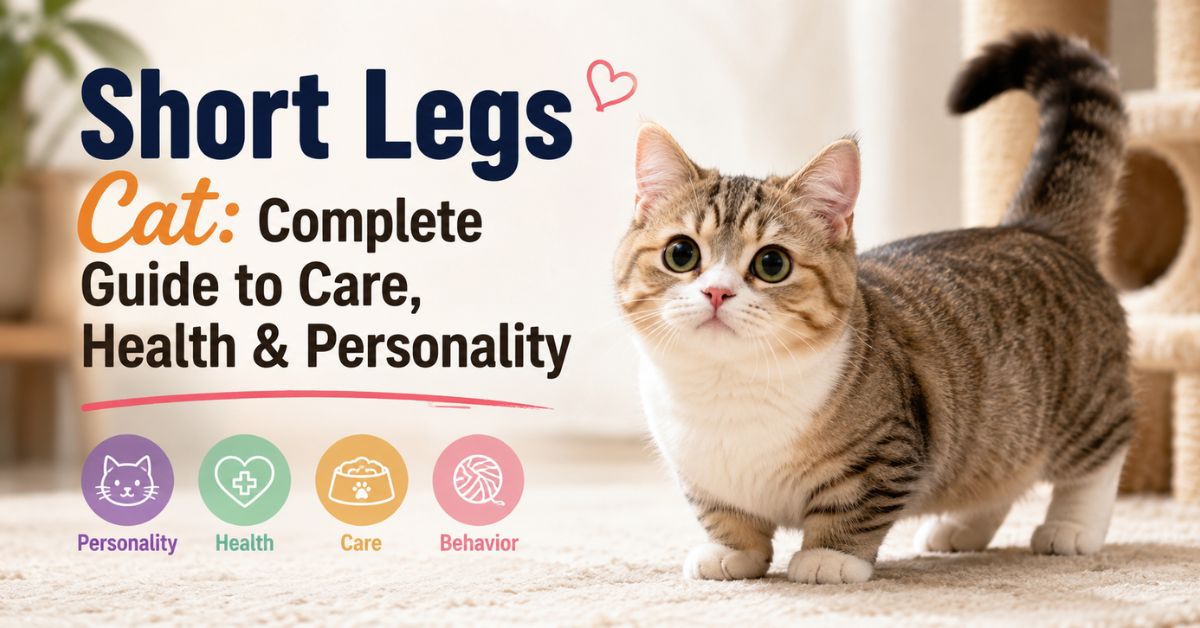
A short legs cat is a feline that has noticeably shorter limbs than most domestic cats. This unique feature is usually caused by a naturally occurring genetic mutation that affects bone growth.
The most well-known short-legged cat breed is the Munchkin cat. Despite their shorter stature, these cats are energetic, playful, and capable of running and jumping, although sometimes not as high as longer-legged breeds.
Key Characteristics
- Short legs compared to body size
- Normal-sized torso
- Playful and active personality
- Intelligent and curious nature
- Friendly toward people and pets
- Available in various coat colors and patterns
History of the Short Legs Cat
The modern history of the Munchkin cat began in the United States during the 1980s. A teacher in Louisiana discovered a pregnant stray cat with unusually short legs. Some of her kittens inherited the same trait, leading to the development of the breed.
Although short-legged cats had appeared occasionally throughout history, organized breeding programs helped establish the Munchkin as a recognized breed.
Today, Munchkin cats are loved worldwide for their unique appearance and charming personalities.
Physical Appearance of a Short Legs Cat
One reason people fall in love with a short legs cat is its adorable appearance.
Body Structure
While their legs are significantly shorter than average, the rest of their body remains proportionate.
Typical Features
| Feature | Description |
| Height | Lower to the ground than standard cats |
| Weight | Usually 5–9 pounds |
| Body Type | Medium-sized and muscular |
| Legs | Noticeably shorter than average |
| Tail | Normal length |
| Eyes | Large and expressive |
| Lifespan | 12–15 years or more |
These cats can have either short or long coats depending on their genetic background.
Personality Traits of a Short Legs Cat
Despite their unusual appearance, the personality of a short legs cat is often what impresses owners most.
Playful and Energetic
Many people assume short-legged cats are less active. In reality, they are often extremely playful and curious.
They enjoy:
- Chasing toys
- Exploring new environments
- Playing interactive games
- Climbing cat furniture
- Solving puzzle toys
Affectionate Nature
Most short-legged cats enjoy human companionship. They often develop strong bonds with their families and may follow their owners from room to room.
Intelligent and Curious
These cats love investigating their surroundings. Their intelligence makes them quick learners and responsive to positive reinforcement training.
Good with Children and Pets
A properly socialized short legs cat usually gets along well with:
- Children
- Other cats
- Cat-friendly dogs
- Visitors
Their friendly temperament makes them excellent family pets.
Are Short Legs Cats Healthy?
One of the most common concerns involves the health of a short legs cat.
The short-legged trait itself is caused by a genetic mutation. While many Munchkin cats live healthy lives, owners should be aware of potential health issues.
Common Health Concerns
Lordosis
This condition affects the spine and can vary from mild to severe cases.
Pectus Excavatum
A chest wall deformity that may affect breathing in severe situations.
Obesity
Extra weight can place additional stress on joints and the spine.
Arthritis
As cats age, joint discomfort may become more noticeable.
Regular veterinary checkups can help detect and manage these conditions early.
Mobility and Activity Levels
Many first-time owners wonder if a short legs cat can run and jump normally.
The answer is generally yes.
While they may not leap as high as breeds like the Bengal or Abyssinian, they remain active and capable of:
- Running quickly
- Climbing furniture
- Chasing toys
- Playing with other pets
Many owners are surprised by how agile these cats can be.
Helpful Mobility Tips
- Use pet stairs near beds and couches
- Provide low-entry litter boxes
- Keep food and water easily accessible
- Avoid excessive weight gain
These simple adjustments help support long-term joint health.
Best Diet for a Short Legs Cat

Nutrition plays a major role in maintaining a healthy weight and supporting mobility.
Essential Nutrients
A balanced diet should include:
- High-quality animal protein
- Healthy fats
- Taurine
- Vitamins and minerals
- Adequate hydration
Foods to Prioritize
Choose cat food that contains:
- Real meat as the first ingredient
- Moderate fat levels
- Limited fillers
- High digestibility
Foods to Avoid
Avoid feeding:
- Excessive table scraps
- High-calorie treats
- Foods toxic to cats
- Low-quality fillers
Maintaining a healthy weight reduces pressure on joints and supports overall wellness.
Grooming Requirements
Grooming needs depend largely on coat length.
Short-Haired Cats
Short-haired varieties generally require:
- Weekly brushing
- Occasional nail trimming
- Routine ear cleaning
Long-Haired Cats
Long-haired short-legged cats may need:
- Brushing several times per week
- Regular mat prevention
- Additional coat maintenance
Regardless of coat type, dental care should be part of every grooming routine.
Training a Short Legs Cat
Training a short legs cat is often easier than many people expect.
Litter Training
Most kittens learn litter box habits quickly.
Clicker Training
Many short-legged cats respond well to:
- Clicker training
- Positive reinforcement
- Treat rewards
Mental Enrichment
Provide stimulation through:
- Puzzle feeders
- Interactive toys
- Hide-and-seek games
- Window perches
Exercise of the mind is just as important as exercise of the body.
Indoor vs Outdoor Living
Most experts recommend keeping a short legs cat indoors.
Benefits of Indoor Living
- Reduced risk of injury
- Protection from traffic
- Lower disease exposure
- Longer lifespan
- Better weight management
If outdoor access is desired, consider:
- Secure catios
- Enclosed yards
- Harness training
These options allow safe exploration while minimizing risks.
How Much Does a Short Legs Cat Cost?
The cost varies depending on breeder reputation, bloodline, location, and coat type.
Typical Expenses
| Expense | Estimated Cost |
| Kitten Purchase | $500–$3,000+ |
| Initial Veterinary Care | $100–$500 |
| Vaccinations | $50–$200 |
| Spay/Neuter Surgery | $150–$500 |
| Food and Supplies | $300–$1,000 annually |
| Pet Insurance | Varies |
Always work with ethical breeders who prioritize health testing and responsible breeding practices.
Is a Short Legs Cat Right for You?
A short legs cat can be a wonderful companion for the right household.
They may be ideal if you want:
- A friendly family pet
- An affectionate companion
- An active indoor cat
- A unique-looking feline
- A playful and intelligent breed
However, prospective owners should be prepared for regular veterinary care and responsible weight management.
Tips for First-Time Owners
If you’re bringing home a short-legged kitten, keep these tips in mind:
- Schedule an initial veterinary exam.
- Feed a balanced, high-quality diet.
- Monitor body weight regularly.
- Provide safe climbing opportunities.
- Invest in interactive toys.
- Encourage daily exercise.
- Maintain routine grooming.
These habits help your cat stay healthy and happy throughout life.
Conclusion
A short legs cat is far more than its adorable appearance. These unique felines are playful, affectionate, intelligent, and capable of living long, fulfilling lives when given proper care. Understanding their nutritional needs, health considerations, and activity requirements helps ensure they thrive in a loving home.
Whether you’re considering adopting a Munchkin cat or simply learning about this fascinating breed, responsible ownership is the key to success. For more expert cat care guides, health tips, nutrition advice, and behavior resources, continue exploring KittyCareZone.com, your trusted destination for everything feline.
The most common breed associated with short legs is the Munchkin cat, although other breeds can also inherit the trait through selective breeding.
Most short-legged cats live healthy lives when provided with proper veterinary care, nutrition, and weight management.
Yes. Although they may not jump as high as some breeds, they can still run, climb, and jump surprisingly well.
The average lifespan is approximately 12–15 years, though many live longer with proper care.
Their care requirements are generally similar to other cats, but maintaining a healthy weight and supporting joint health are especially important.

Ali Ahmad /Passionate writer sharing informative, engaging, and easy-to-read articles across different topics. Focused on delivering valuable content that helps readers learn, explore, and stay inspired every day.
1 thought on “Short Legs Cat: Complete Guide to Care, Health & Personality”