

Introduction
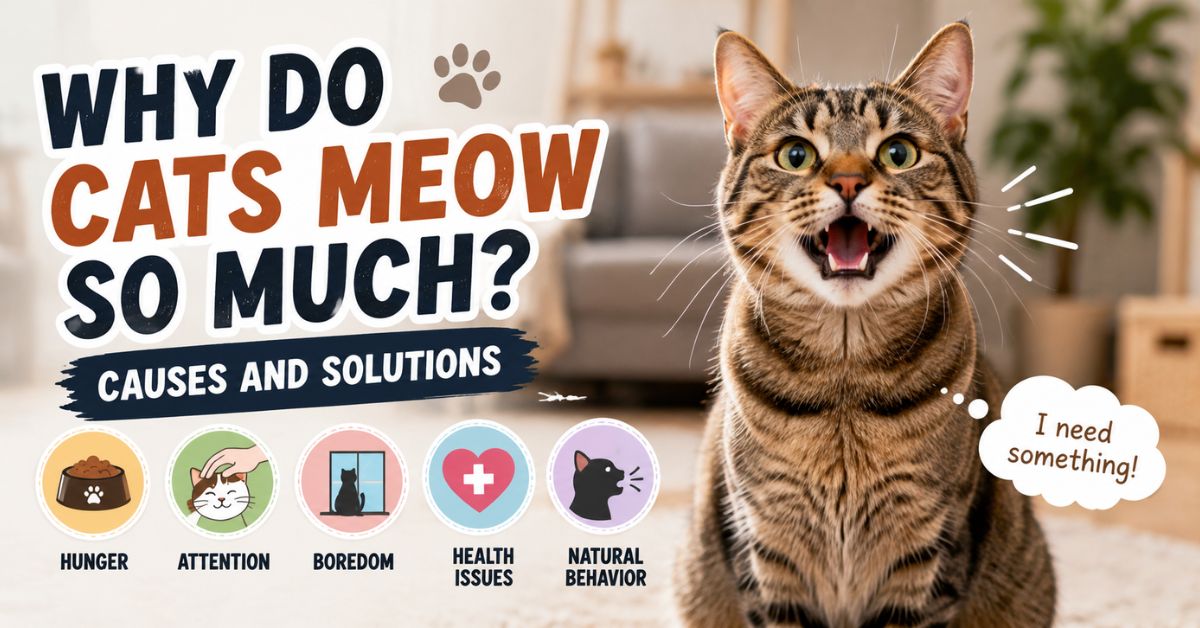
If you’ve ever found yourself asking why do cats meow so much, you’re not alone. Many cat owners experience periods when their feline companions seem to vocalize constantly. While meowing is a normal part of cat communication, excessive meowing can sometimes indicate a specific need, emotional state, or health concern.
Cats meow primarily to communicate with humans rather than other cats. Some breeds are naturally more talkative, while others only meow when they need something important. Understanding the reasons behind your cat’s vocal behavior can help you respond appropriately and strengthen your bond with your pet.
In this complete guide, we’ll explore the most common reasons cats meow, when excessive meowing may signal a problem, and what you can do to manage it effectively.
Understanding Cat Meowing
Before diving into the causes, it’s important to understand that meowing is a unique form of communication.
Adult cats rarely meow at one another. Instead, they use body language, scent marking, and other vocalizations. Meowing is largely a behavior developed to interact with humans.
Different meows can mean different things:
- Short meows may be greetings.
- Repeated meows often indicate excitement or urgency.
- Long, drawn-out meows may signal discomfort.
- Loud yowls can indicate distress or mating behavior.
Learning your cat’s vocal patterns helps you identify what they are trying to communicate.
Common Reasons Why Cats Meow So Much
Hunger and Food Requests
One of the most common answers to why do cats meow so much is simple: they want food.
Cats quickly learn that meowing gets attention, especially if it leads to a meal or treat. Many cats become particularly vocal around feeding times.
Signs your cat is meowing for food include:
- Waiting near the food bowl
- Following you into the kitchen
- Meowing at regular feeding times
- Pawing at food containers
How to Handle It
- Feed meals on a consistent schedule.
- Avoid rewarding excessive meowing with treats.
- Use automatic feeders if necessary.
Seeking Attention
Cats can become vocal when they want interaction.
Even independent cats enjoy attention from their owners. If your cat feels ignored, they may meow repeatedly to get you to play, pet them, or simply acknowledge their presence.
Common attention-seeking behaviors include:
- Following you around the house
- Meowing while looking directly at you
- Interrupting your work or activities
Solution
Schedule daily play sessions and quality bonding time to help satisfy your cat’s social needs.
Loneliness and Boredom
Indoor cats may become bored when they lack stimulation.
Without enough mental and physical activity, some cats develop excessive vocalization habits.
Signs of Boredom
- Constant meowing
- Destructive behavior
- Overgrooming
- Restlessness
Ways to Reduce Boredom
- Interactive toys
- Puzzle feeders
- Cat trees
- Window perches
- Daily play sessions
Providing enrichment can significantly reduce excessive meowing.
Greeting Behavior
Some cats simply enjoy saying hello.
When you arrive home, your cat may greet you with several meows. This behavior is normal and usually indicates affection and excitement.
Cats that greet their owners frequently often have strong social bonds with them.
Stress and Anxiety
Changes in a cat’s environment can trigger increased vocalization.
Stressful situations may include:
- Moving to a new home
- Introducing a new pet
- Household renovations
- Changes in routine
- New family members
Stress-Related Symptoms
| Stress Trigger | Possible Behavior |
| Moving house | Hiding and meowing |
| New pet | Aggression and vocalization |
| Loud noises | Fearful meowing |
| Routine changes | Increased attention-seeking |
| New baby | Anxiety-related vocalization |
Reducing environmental stress can help restore normal behavior.
Medical Reasons Cats Meow Excessively
Pain or Discomfort
A sudden increase in vocalization may indicate pain.
Cats are skilled at hiding discomfort, so excessive meowing can sometimes be one of the few noticeable signs.
Potential causes include:
- Arthritis
- Dental disease
- Injuries
- Urinary tract issues
- Digestive problems
If excessive meowing appears suddenly, a veterinary examination is recommended.
Hyperthyroidism
The following symptoms can occur with hyperthyroidism in older cats:
- Increased appetite
- Weight loss
- Hyperactivity
- Excessive vocalization
This condition requires veterinary diagnosis and treatment.
High Blood Pressure
Hypertension can affect a cat’s behavior and cause confusion or distress.
Cats with high blood pressure may:
- Vocalize more frequently
- Seem disoriented
- Experience vision problems
Regular health checkups are especially important for senior cats.
Cognitive Dysfunction in Senior Cats
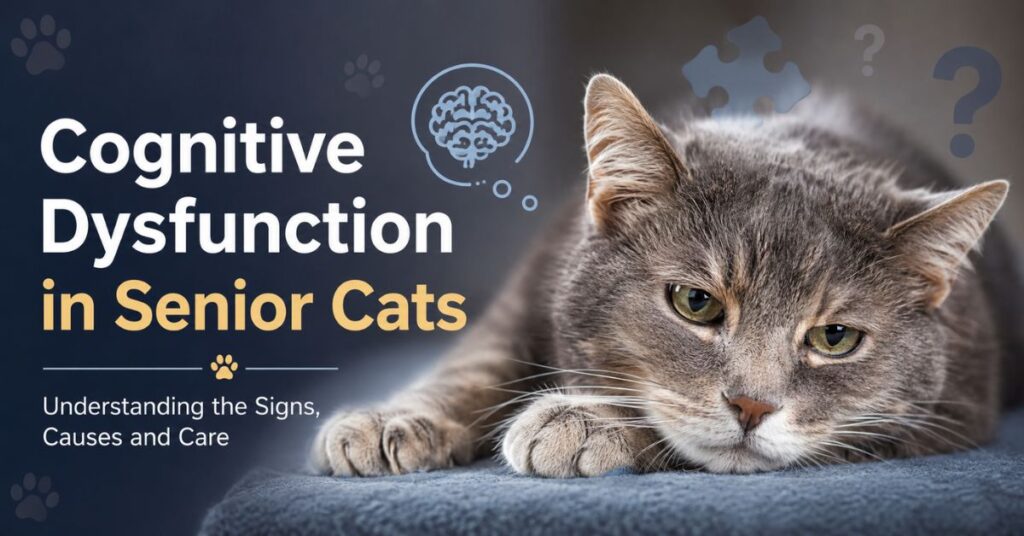
Older cats can experience cognitive decline similar to dementia in humans.
Affected cats may:
- Meow at night
- Appear confused
- Wander aimlessly
- Forget routines
Senior cats showing these symptoms should be evaluated by a veterinarian.
Why Do Cats Meow at Night?
Many owners wonder why their cats become especially vocal after dark.
Nighttime meowing can result from:
- Boredom during the day
- Hunger
- Loneliness
- Age-related confusion
- Excess energy
How to Reduce Nighttime Meowing
- Increase daytime play.
- Feed a small meal before bedtime.
- Provide comfortable sleeping areas.
- Establish a predictable routine.
These steps often help improve nighttime behavior.
Why Female Cats Meow Excessively During Heat
Unspayed female cats often become extremely vocal when in heat.
During this period, cats may:
- Meow loudly and frequently
- Roll on the floor
- Seek attention constantly
- Attempt to escape outdoors
This behavior is normal and usually subsides after the heat cycle ends.
Spaying is the most effective long-term solution.
Why Male Cats Meow More Than Usual
Unneutered male cats may vocalize excessively when they detect nearby females in heat.
Additional behaviors may include:
- Spraying urine
- Restlessness
- Increased roaming attempts
- Aggression
Neutering often reduces these behaviors significantly.
Cat Breeds That Naturally Meow More
Some cat breeds are known for being especially talkative.
Highly Vocal Cat Breeds
- Siamese
- Oriental Shorthair
- Burmese
- Tonkinese
- Bengal
- Sphynx
These breeds tend to communicate frequently with their owners and may naturally meow more than other cats.
How to Respond to Excessive Meowing
Understanding the cause is the first step toward solving the issue.
Do
- Check for food, water, and litter box needs.
- Schedule regular veterinary exams.
- Provide enrichment and playtime.
- Maintain a consistent routine.
- Reward quiet behavior.
Don’t
- Punish your cat for meowing.
- Yell at your cat.
- Ignore signs of illness.
- Reinforce demanding behavior unintentionally.
The best way to teach is with positive reinforcement.
When Should You Be Concerned?
While meowing is normal, some situations require attention.
Contact your veterinarian if:
- Meowing starts suddenly.
- Your cat appears sick.
- Vocalization becomes unusually intense.
- Appetite changes occur.
- Weight loss develops.
- Your senior cat seems confused.
Prompt evaluation can identify underlying medical issues before they worsen.
Practical Tips to Reduce Excessive Meowing
Create a Routine
Cats thrive on predictability. Consistent feeding, play, and sleep schedules can reduce anxiety-related vocalization.
Increase Physical Activity
Regular exercise helps burn excess energy and reduces boredom.
Offer Mental Stimulation
Try:
- Puzzle toys
- Food-dispensing toys
- Training sessions
- Interactive games
Avoid Reinforcing Excessive Meowing
If your cat learns that meowing instantly gets rewards, the behavior may increase.
Instead:
- Reward calm behavior.
- Wait for brief quiet moments before providing attention.
Conclusion
Understanding why do cats meow so much is essential for every cat owner. Meowing is your cat’s primary way of communicating with you, and it often serves a specific purpose. Whether your cat is hungry, bored, seeking attention, experiencing stress, or dealing with a health issue, identifying the underlying cause can help you respond appropriately.
By providing proper care, enrichment, routine, and regular veterinary checkups, you can reduce excessive vocalization and improve your cat’s overall well-being. For more expert cat care advice, behavior tips, nutrition guides, and health resources, continue exploring KittyCareZone.com.
Your cat may be seeking food, attention, playtime, or trying to communicate discomfort. Observing the situation and accompanying behaviors can help determine the cause.
Yes. Conditions such as hyperthyroidism, pain, cognitive dysfunction, and high blood pressure can cause increased vocalization.
Nighttime meowing may be a result of cognitive decline, anxiety, vision loss, or hearing impairment in older cats.
Not always. First, ensure all basic needs are met. Once medical and environmental causes are ruled out, avoid rewarding excessive attention-seeking meows.
Absolutely. Cats lacking mental stimulation and exercise often become more vocal to seek engagement and entertainment.

Ali Ahmad /Passionate writer sharing informative, engaging, and easy-to-read articles across different topics. Focused on delivering valuable content that helps readers learn, explore, and stay inspired every day.
1 thought on “Why Do Cats Meow So Much? Causes and Solutions”