

Introduction
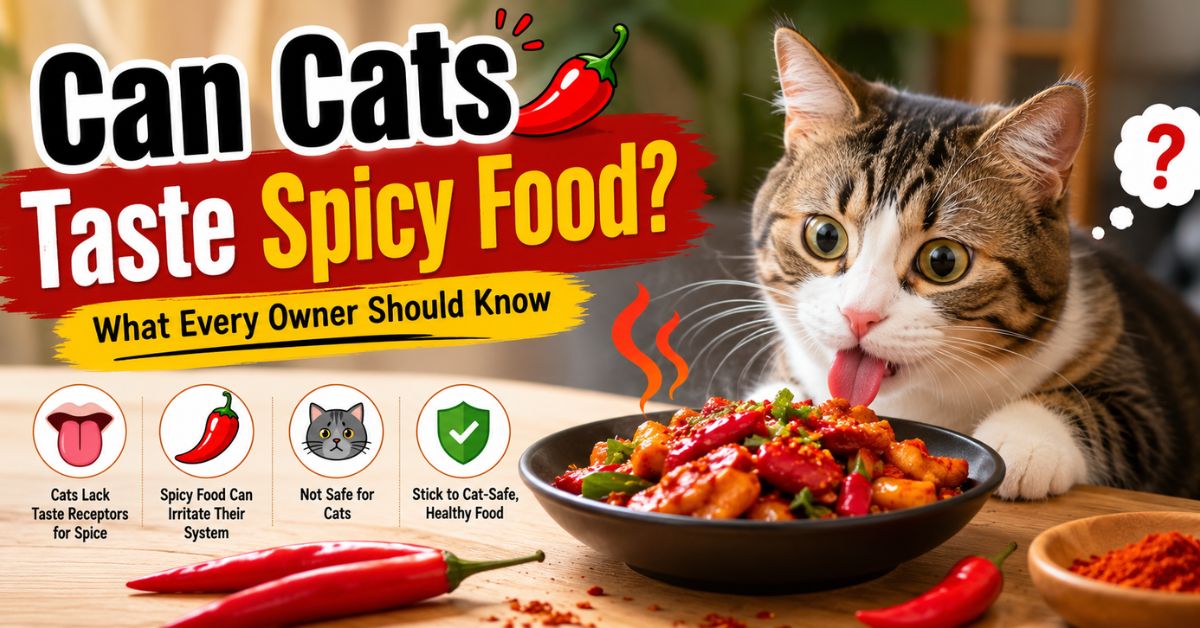
If you’ve ever enjoyed a spicy meal and noticed your cat sniffing around your plate, you may have wondered: can cats taste spicy food? Many cat owners are curious about whether cats experience spicy flavors the same way humans do and whether sharing a small bite of spicy food is harmless.
Cats have unique taste receptors that differ significantly from humans. While they may not enjoy food the same way we do, they can still react strongly to certain ingredients. Understanding how cats perceive spicy foods is important for protecting their health and ensuring they receive a safe, balanced diet.
In this comprehensive guide, we’ll explore can cats taste spicy food, how their taste buds work, why spicy foods can be problematic, and what foods are safer alternatives for your feline companion.
Understanding How Cats Taste Food
Before answering can cats taste spicy food, it’s important to understand how feline taste receptors function.
Unlike humans, cats are obligate carnivores. Their bodies evolved to survive primarily on animal protein rather than a wide variety of foods.
Cats have approximately 470 taste buds, while humans have around 9,000. Because of this difference, cats experience flavors differently.
Cats can detect:
- Salty flavors
- Sour flavors
- Bitter flavors
- Umami (savory meat flavors)
However, cats cannot effectively detect sweetness because they lack the necessary sweet taste receptors.
Their taste system is specifically designed to identify nutritious animal-based foods rather than fruits, desserts, or heavily seasoned meals.
Can Cats Taste Spicy Food?
The simple answer is yes, cats can taste spicy food, but not in the same way humans do.
Spiciness is not actually a taste. Instead, it is a sensation caused by chemical compounds that stimulate pain and heat receptors.
The primary compound responsible for spicy sensations is capsaicin, found in chili peppers.
When a cat consumes spicy food:
- The capsaicin activates nerve receptors.
- The cat experiences irritation or burning sensations.
- The reaction occurs in the mouth, throat, and digestive system.
- The cat may feel discomfort rather than flavor enjoyment.
Therefore, when asking can cats taste spicy food, the better question is whether cats can feel the effects of spicy ingredients. The answer is definitely yes.
Why Spicy Food Feels Hot to Cats
The Role of Capsaicin
Capsaicin binds to receptors called TRPV1 receptors. As a result of these receptors, we detect heat and pain.
Humans often enjoy the burning sensation caused by capsaicin. Many people even seek out increasingly spicy foods.
Cats, however, do not enjoy this sensation.
Instead, capsaicin may cause:
- Mouth irritation
- Excessive drooling
- Pawing at the mouth
- Digestive discomfort
- Temporary distress
Since cats do not benefit nutritionally from spicy ingredients, there is no reason to intentionally feed them spicy foods.
Why Cats Are Attracted to Human Food
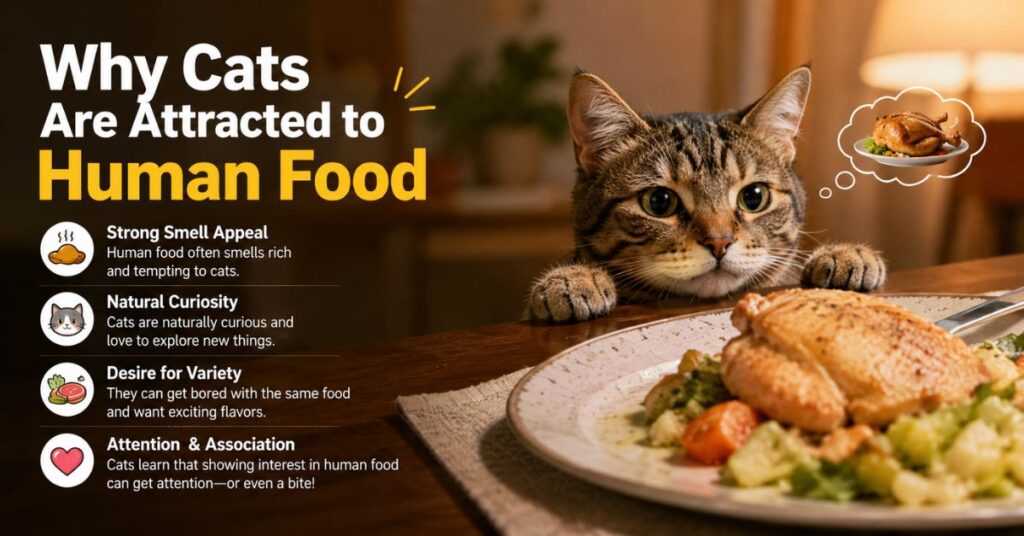
Many owners become curious about can cats taste spicy food because their cats seem interested in spicy meals.
In reality, cats are usually attracted to:
- Meat aromas
- Animal fats
- Warm food temperatures
- Protein-rich ingredients
For example, a cat may approach spicy chicken wings not because it wants the hot sauce, but because it smells the chicken.
The same applies to:
- Tacos
- Spicy beef dishes
- Pepperoni pizza
- Curry dishes
- Spicy grilled meats
The attraction is generally to the meat rather than the spices.
Is Spicy Food Safe for Cats?
Short Answer: No
Although a tiny accidental lick may not cause serious harm, spicy foods are generally not recommended for cats.
Spicy ingredients can cause digestive irritation and discomfort.
Potential risks include:
- Vomiting
- Diarrhea
- Stomach pain
- Excessive thirst
- Drooling
- Gastrointestinal upset
In some cases, spicy foods may contain additional ingredients that are toxic to cats.
Dangerous Ingredients Often Found in Spicy Foods
Many spicy dishes contain ingredients that are more dangerous than the spice itself.
Garlic
Garlic is toxic to cats and can damage red blood cells.
Onions
Onions may lead to anemia and serious health complications.
Chives
Chives belong to the same plant family as onions and garlic and can also be toxic.
Excess Salt
High sodium levels can be harmful to cats.
Certain Sauces
Some spicy sauces contain preservatives, artificial ingredients, and sweeteners that may not be safe for pets.
Common Spicy Foods and Their Safety for Cats
| Food Item | Safe for Cats? | Risk Level |
| Hot sauce | No | High |
| Jalapeños | No | High |
| Spicy chicken wings | No | High |
| Buffalo sauce | No | High |
| Curry dishes | No | Moderate to High |
| Spicy noodles | No | Moderate |
| Chili peppers | No | High |
| Plain cooked chicken | Yes | Low |
| Plain cooked turkey | Yes | Low |
This table shows why avoiding spicy foods is the safest choice for feline health.
Signs Your Cat Ate Spicy Food
If your cat accidentally consumes spicy food, watch for symptoms of irritation.
Common Signs
- Excessive drooling
- Lip licking
- Drinking large amounts of water
- Vomiting
- Diarrhea
- Restlessness
- Pawing at the face
- Loss of appetite
Mild reactions usually resolve within a few hours.
However, severe symptoms require veterinary attention.
What to Do If Your Cat Eats Spicy Food
Step 1: Stay Calm
A small amount of spicy food is unlikely to cause severe harm.
Step 2: Remove Access
Prevent your cat from eating more of the food.
Step 3: Provide Fresh Water
Water can help reduce oral irritation and prevent dehydration.
Step 4: Monitor Symptoms
Observe your cat closely for:
- Persistent vomiting
- Severe diarrhea
- Difficulty breathing
- Extreme lethargy
Step 5: Contact Your Veterinarian
Seek professional advice if symptoms worsen or if toxic ingredients such as garlic or onions were consumed.
Can Kittens Taste Spicy Food?
Yes, kittens can also experience irritation from spicy foods.
In fact, kittens may be even more sensitive because:
- Their digestive systems are still developing.
- Their smaller body size increases risk.
- They dehydrate more quickly.
Owners should never intentionally feed spicy foods to kittens.
A balanced kitten diet provides everything they need without unnecessary risks.
Foods Cats Enjoy More Than Spicy Foods
Since cats naturally prefer protein-rich foods, there are many safer alternatives.
Healthy Treat Options
- Cooked chicken breast
- Cooked turkey
- Plain fish
- Freeze-dried meat treats
- Commercial cat treats
- Vet-approved wet cat food
These options satisfy a cat’s natural instincts without causing discomfort.
Why Cats Prefer Meat Flavors
Cats evolved as hunters and meat eaters.
Their bodies require nutrients found in animal tissue, including:
- Taurine
- Animal protein
- Vitamin A
- Arachidonic acid
This explains why cats often ignore spicy vegetables while showing strong interest in meat-based foods.
The savory umami flavor of meat is far more appealing to cats than spicy seasonings.
Can Cats Develop Long-Term Problems From Eating Spicy Food?
Occasional accidental exposure usually does not cause permanent issues.
However, repeated consumption may contribute to:
- Chronic digestive upset
- Poor eating habits
- Gastrointestinal inflammation
- Nutritional imbalance
Regularly feeding human foods can also encourage begging behavior and reduce interest in balanced cat food.
For long-term health, cats should primarily consume food formulated specifically for feline nutritional requirements.
Myths About Cats and Spicy Food
Myth 1: Cats Enjoy Spicy Food
Cats typically tolerate spicy food poorly and do not seek it out for enjoyment.
Myth 2: A Little Hot Sauce Is Harmless
Even small amounts can irritate a cat’s digestive system.
Myth 3: Cats Can Eat Anything Humans Eat
Many human foods are unsuitable or dangerous for cats.
Myth 4: Spicy Food Helps Cats Fight Illness
There is no scientific evidence that spicy foods provide health benefits for cats.
Myth 5: Cats Like Spicy Foods Because They Keep Coming Back
Most cats return because they smell meat or fat, not because they enjoy the spice.
How to Keep Your Cat Away From Spicy Foods
Follow these simple tips:
- Never leave spicy meals unattended.
- Store leftovers properly.
- Clean food spills immediately.
- Avoid feeding table scraps.
- Educate family members about safe cat foods.
- Offer healthy cat treats instead.
These habits can significantly reduce the risk of accidental exposure.
Conclusion
So, can cats taste spicy food? Yes, cats can feel the effects of spicy ingredients, but they do not experience spiciness as an enjoyable flavor like many humans do. Instead, compounds such as capsaicin can cause burning sensations, digestive upset, and discomfort. While a tiny accidental taste may not always lead to serious health problems, spicy foods should never be part of a cat’s regular diet.
The safest approach is to provide your cat with high-quality, species-appropriate foods that meet their nutritional needs. By avoiding spicy dishes and focusing on healthy feline nutrition, you can help your cat stay comfortable and healthy for years to come.
For more expert cat care, nutrition, health, and behavior guides, keep visiting KittyCareZone.com.
No. Cats experience the irritation caused by capsaicin but do not perceive spicy flavors the same way humans do.
Spicy food itself is not always toxic, but it can cause discomfort and digestive problems. Many spicy dishes also contain toxic ingredients such as onions and garlic.
Your cat may drool, drink excessive water, vomit, or experience stomach upset. Monitor symptoms and contact a veterinarian if problems persist.
Cats are usually attracted to the smell of meat, fat, or protein-rich ingredients rather than the spicy seasoning itself.
No. Kittens should never be fed spicy foods because their digestive systems are more sensitive and vulnerable to irritation.

Ali Ahmad /Passionate writer sharing informative, engaging, and easy-to-read articles across different topics. Focused on delivering valuable content that helps readers learn, explore, and stay inspired every day.
1 thought on “Can Cats Taste Spicy Food? What Every Owner Should Know”