

Introduction
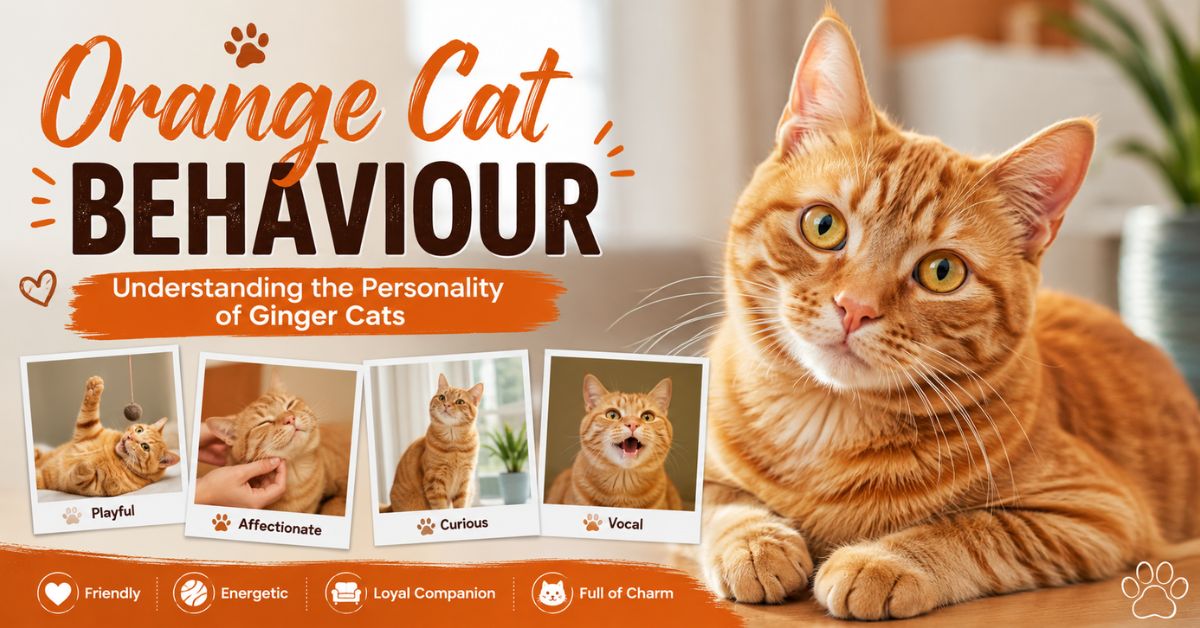
If you have ever shared your home with a ginger feline, you may have noticed something special about their personality. Many cat owners believe that orange cat behaviour is different from that of other cats. Orange cats are often described as friendly, playful, affectionate, and sometimes hilariously mischievous.
But is there any truth behind these observations, or are they simply stereotypes created by cat lovers?
While a cat’s personality is influenced by genetics, socialization, environment, and individual temperament, many owners consistently report similar traits among orange cats. Whether you already own a ginger feline or are considering adopting one, understanding orange cat behaviour can help you build a stronger bond with your furry companion.
In this guide, we’ll explore the common personality traits, behavioral patterns, care tips, and fascinating facts about orange cats.
What Is an Orange Cat?
Before discussing orange cat behaviour, it is important to understand that “orange cat” is not actually a breed.
Orange refers to a coat color that appears in many breeds, including:
- American Shorthair
- British Shorthair
- Maine Coon
- Persian
- Exotic Shorthair
- Domestic Shorthair
Most orange cats display tabby markings, which means they often have stripes, swirls, or spots along their coats.
Interestingly, around 80% of orange cats are male due to the genetics responsible for their coat color.
Common Orange Cat Behaviour Traits
Although every cat is unique, many orange cats share similar personality characteristics.
Friendly and Social Nature
One of the most frequently reported aspects of orange cat behaviour is friendliness.
Orange cats often enjoy interacting with people and tend to be more outgoing than some other cats. Many owners describe them as cats that willingly greet visitors, follow family members around the house, and enjoy participating in daily activities.
Common social behaviors include:
- Following owners from room to room
- Greeting guests at the door
- Seeking attention frequently
- Enjoying household interactions
Their social nature makes them popular among families and first-time cat owners.
Affectionate and Loving
Many orange cats are known for being incredibly affectionate.
They often:
- Sit on laps
- Sleep near their owners
- Seek petting sessions
- Rub against people frequently
This affectionate side makes orange cats excellent companions for individuals seeking a close bond with their pets.
Playful and Energetic
Another well-known feature of orange cat behaviour is playfulness.
Orange cats often maintain kitten-like energy well into adulthood. They enjoy interactive toys, climbing structures, and games that challenge their hunting instincts.
Some favorite activities include:
- Chasing toy mice
- Playing with feather wands
- Climbing cat trees
- Exploring new environments
Regular play sessions help satisfy their mental and physical needs.
Curious and Adventurous
Orange cats are often naturally curious.
They may investigate:
- New furniture
- Open boxes
- Grocery bags
- Household sounds
This curiosity keeps them mentally stimulated but may occasionally lead to trouble if dangerous items are left accessible.
Why Are Orange Cats Often Called Mischievous?
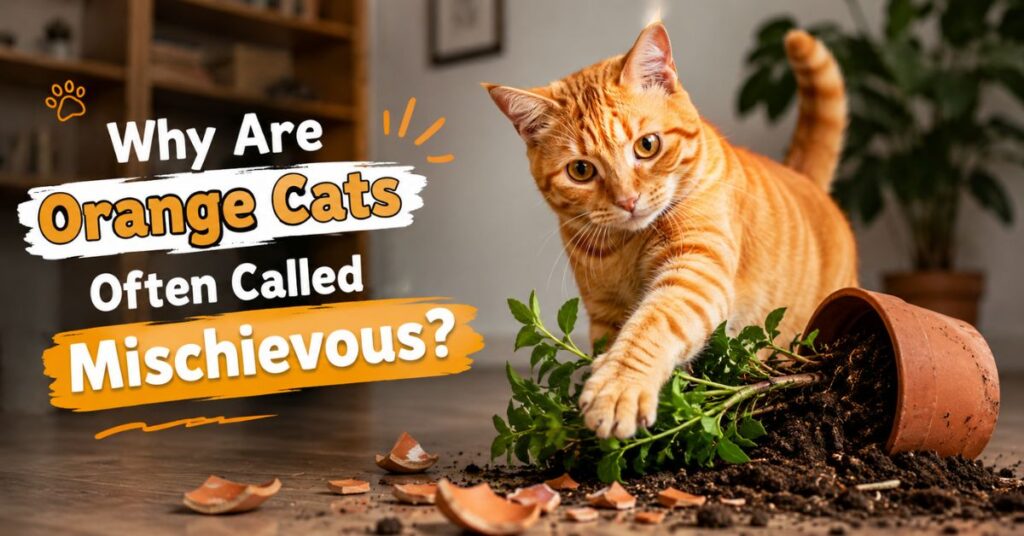
Many internet memes joke about orange cats having a single brain cell. While this is obviously not true, there is a reason these cats earn a reputation for silliness.
Their curiosity and confidence can lead to behaviors such as:
- Knocking objects off tables
- Exploring forbidden spaces
- Opening cabinets
- Getting into unusual situations
These actions are usually driven by intelligence and curiosity rather than a lack of it.
In fact, many orange cats are highly observant and learn quickly through experience.
Male vs Female Orange Cat Behaviour
Because most orange cats are male, many personality observations may be influenced by gender-related tendencies.
The table below highlights some commonly observed differences.
| Trait | Male Orange Cats | Female Orange Cats |
| Sociability | Often highly social | Can be social but more selective |
| Affection | Frequently affectionate | Usually affectionate with trusted people |
| Territorial Behavior | Moderate | Often slightly stronger |
| Independence | Moderate | Sometimes more independent |
| Positivity | Highest of all | High-moderate |
Remember that individual personality matters far more than gender alone.
Factors That Influence Orange Cat Behaviour
Genetics
Genes affect temperament to some extent. The characteristics of a breed may have a greater impact on behavior than the color of its coat.
For example:
- The Maine Coon tends to be a gentle giant.
- Persians are often calm and relaxed.
- American Shorthairs are adaptable and friendly.
Early Socialization
Kittens exposed to positive experiences during their first few months of life often become more confident adults.
Proper socialization includes:
- Gentle handling
- Exposure to different people
- Interaction with other pets
- Positive environmental experiences
Environment
A stimulating environment helps promote healthy behavior.
Cats that receive:
- Mental enrichment
- Physical exercise
- Consistent routines
- Positive attention
are more likely to display balanced behavior.
Common Behavioral Habits of Orange Cats
Following Their Owners
Many orange cat owners report that their cats act almost like dogs.
These cats often:
- Follow family members around the house
- Watch daily activities
- Stay close while owners work
This behavior usually reflects trust and affection.
Vocal Communication
Some orange cats are quite talkative.
They may meow to:
- Request food
- Seek attention
- Greet family members
- Express curiosity
Not all orange cats are vocal, but many enjoy communicating with their humans.
Lap Sitting
A common trait associated with orange cat behaviour is a love for cuddling.
Many orange cats actively seek warm laps and comfortable resting places near their owners.
Attention-Seeking Behavior
Orange cats often enjoy being the center of attention.
You may notice behaviors such as:
- Bringing toys to you
- Interrupting computer work
- Sitting on books or keyboards
- Meowing for interaction
These actions are often attempts to engage with their favorite humans.
Signs of a Happy Orange Cat
Understanding body language helps you evaluate your cat’s emotional well-being.
Signs of a happy orange cat include:
- Slow blinking
- Purring
- Relaxed posture
- Kneading with paws
- Upright tail with slight curve
- Healthy appetite
These behaviors indicate comfort, trust, and contentment.
Problem Behaviors Sometimes Seen in Orange Cats
Despite their lovable personalities, orange cats can develop behavioral issues like any other cat.
Excessive Attention Seeking
Highly social cats may become demanding if their needs are not met.
Solutions include:
- Scheduled play sessions
- Puzzle feeders
- Interactive toys
- Daily quality time
Scratching Furniture
Scratching is natural and necessary.
Prevent furniture damage by providing:
- Scratching posts
- Cat trees
- Cardboard scratchers
You should reward your cat when they scratch on appropriate surfaces.
Boredom-Related Mischief
Many examples of troublesome orange cat behaviour are actually signs of boredom.
Bored cats may:
- Knock items over
- Climb curtains
- Chew household objects
Increasing enrichment often solves these issues.
How to Care for an Orange Cat’s Behavioral Needs
Provide Daily Exercise
Regular exercise helps reduce stress and prevent behavioral problems.
Aim for:
- Two to three play sessions daily
- Interactive toys
- Hunting-style games
Offer Mental Stimulation
Mental enrichment is essential.
Great options include:
- Puzzle feeders
- Treat-dispensing toys
- Window perches
- Rotating toys
Create Safe Spaces
Every cat needs quiet areas where they can relax.
Provide:
- Cozy beds
- Elevated resting spots
- Cat trees
- Hidden retreats
Maintain Consistent Routines
Cats thrive on predictability.
Try to keep:
- Feeding schedules consistent
- Playtimes regular
- Household changes gradual
Consistency reduces stress and improves behavior.
Myths About Orange Cat Behaviour
Myth 1: Orange Cats Are Always Male
False.
While most orange cats are male, females certainly exist.
Myth 2: Orange Cats Are Less Intelligent
False.
Orange cats are no less intelligent than cats of any other color.
Myth 3: All Orange Cats Have the Same Personality
False.
Every cat is an individual with unique experiences and traits.
Myth 4: Coat Color Guarantees Behavior
False.
Coat color alone does not determine personality.
Many factors contribute to a cat’s behavior and temperament.
Why Orange Cats Are So Popular
Orange cats have earned a special place in the hearts of cat lovers.
Their popularity comes from a combination of:
- Friendly personalities
- Affectionate nature
- Playful behavior
- Distinctive appearance
- Memorable antics
Whether they are making you laugh with their curiosity or cuddling beside you on the couch, orange cats often form strong emotional bonds with their families.
Conclusion
Understanding orange cat behaviour helps owners appreciate the unique charm that makes ginger felines so beloved. While every cat has its own personality, orange cats are often known for being affectionate, playful, social, and entertaining companions. Their curiosity, confidence, and strong attachment to their humans create memorable relationships that many cat lovers cherish for years.
By providing proper care, enrichment, and attention, you can help your orange cat thrive and enjoy a happy, healthy life. For more expert cat care guides, behavior insights, and feline health tips, keep visiting KittyCareZone.com, your trusted resource for everything cats.
Many owners report that orange cats are exceptionally friendly and social. However, personality depends on genetics, upbringing, and individual temperament.
Many orange cats enjoy human interaction and frequently seek companionship, making them appear especially loving and affectionate.
Yes. Approximately 80% of orange cats are male due to the genetics responsible for orange coat coloration.
No. Orange cats require the same basic care as other cats, including proper nutrition, veterinary care, exercise, and mental stimulation.
While coat color genetics may have some influence, there is limited scientific evidence proving that all orange cats share identical personality traits. Most observations come from owner experiences and surveys.

Ali Ahmad /Passionate writer sharing informative, engaging, and easy-to-read articles across different topics. Focused on delivering valuable content that helps readers learn, explore, and stay inspired every day.
1 thought on “Orange Cat Behaviour: Understanding the Personality of Ginger Cats”