

Introduction
If your cat has ever struggled with urinary issues, you know how stressful it can be. Frequent litter box visits, discomfort, or even accidents around the house are signs no cat owner wants to see.
Urinary problems are surprisingly common in cats across the United States. The good news? Diet plays a huge role in prevention and management.
Choosing the right cat food for urinary health can reduce the risk of painful conditions like urinary tract infections (UTIs), bladder stones, and feline lower urinary tract disease (FLUTD). In this guide, you’ll learn exactly what to look for, what to avoid, and how to keep your cat healthy and happy.
What Is Urinary Health in Cats?
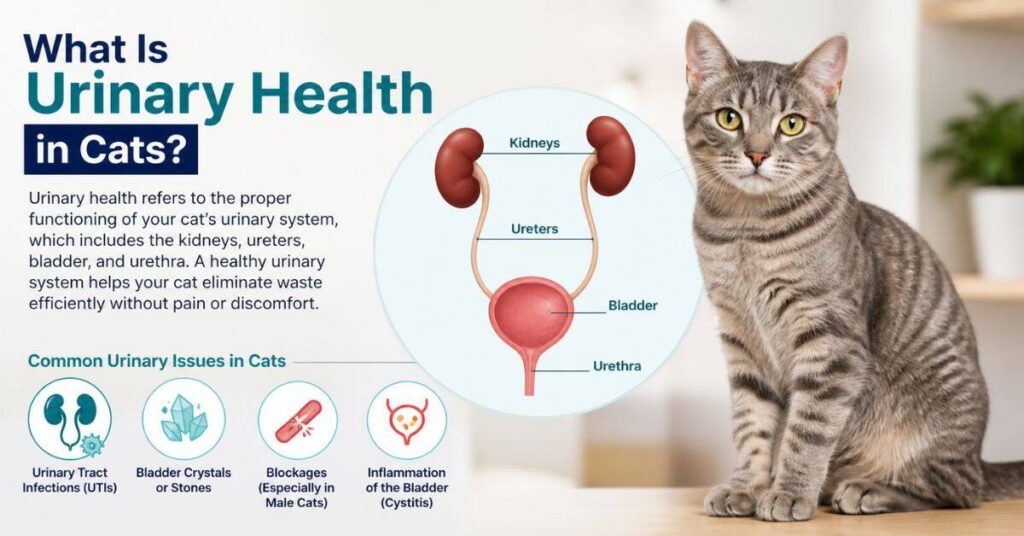
Urinary health refers to the proper functioning of your cat’s urinary system, which includes:
- Kidneys
- Bladder
- Ureters
- Urethra
When everything is working correctly, your cat can eliminate waste efficiently without discomfort. But when something goes wrong, it can quickly become serious.
Common Urinary Issues in Cats
- Urinary tract infections (UTIs)
- Bladder crystals or stones
- Blockages (especially in male cats)
- Inflammation of the bladder (cystitis)
Many of these conditions are linked to diet, hydration, and mineral balance.
Why Diet Matters for Urinary Health
Your cat’s food directly affects urine composition. This includes:
- pH level of urine
- Mineral content (magnesium, phosphorus, calcium)
- Hydration levels
A poor diet can lead to crystal formation, which may develop into stones or blockages.
Feeding high-quality cat food for urinary health helps maintain optimal urine acidity and reduces harmful mineral buildup.
Key Ingredients to Look for in Cat Food for Urinary Health
Not all cat foods are created equal. When shopping in the U.S., pay close attention to the label.
1. Controlled Magnesium Levels
Excess magnesium contributes to crystal formation. Look for foods labeled “low magnesium” or “controlled minerals.”
2. High Moisture Content
Wet food is often better because it helps keep your cat hydrated.
Tip: Cats naturally have a low thirst drive, so moisture-rich diets are essential.
3. Balanced pH Formula
A proper urinary diet helps maintain slightly acidic urine, which prevents crystal buildup.
4. High-Quality Animal Protein
Cats are obligate carnivores. Protein supports overall health without stressing the urinary system when balanced correctly.
5. Added Cranberry or DL-Methionine
These ingredients may help maintain urinary tract health by supporting proper pH levels.
Ingredients to Avoid
Some ingredients can worsen urinary problems.
- High ash content
- Artificial additives
- Excessive fillers (corn, soy, wheat)
- High sodium (unless prescribed)
Avoiding these can make a noticeable difference in your cat’s health.
Wet vs. Dry Food: Which Is Better?
Wet Food Benefits
- Higher moisture content
- Helps dilute urine
- Reduces risk of crystals
Dry Food Benefits
- Convenient and cost-effective
- Good for dental health
Best Approach
A combination of both often works best. However, for cats with urinary issues, wet food should be the priority.
Comparison Table: Wet vs. Dry Cat Food for Urinary Health
| Feature | Wet Food | Dry Food |
| Moisture Content | High (70–80%) | Low (10%) |
| Hydration Support | Excellent | Limited |
| Cost | Higher | More affordable |
| Shelf Life | Short after opening | Long-lasting |
| Urinary Health | Highly supportive | Moderate support |
Signs Your Cat Needs Urinary Health Food
Watch for these warning signs:
- Frequent urination
- Straining in the litter box
- Blood in urine
- Urinating outside the litter box
- Excessive licking of genital area
The first thing you should do if you notice any of these symptoms is to contact your veterinarian.
How to Transition to Urinary Health Cat Food
Switching foods too quickly can upset your cat’s stomach.
Step-by-Step Transition
- Day 1–2: 75% old food, 25% new food
- Day 3–4: 50% old food, 50% new food
- Day 5–6: 25% old food, 75% new food
- Day 7: 100% new food
This gradual change helps your cat adjust comfortably.
Practical Tips to Improve Your Cat’s Urinary Health
Encourage Hydration
- Provide fresh water daily
- Use a cat water fountain
- Add water to wet food
Maintain a Clean Litter Box
Cats may avoid dirty litter boxes, leading to urinary retention.
Reduce Stress
Stress is a major trigger for urinary issues.
- Provide a calm environment
- Create safe spaces
- Maintain a routine
Regular Vet Checkups
Annual exams help detect problems early.
Real-Life Example (USA Context)
Many U.S. cat owners report improvements after switching to specialized urinary diets. For example, indoor cats that previously suffered from recurring UTIs often show fewer symptoms when fed moisture-rich, mineral-balanced food.
Pet parents also find that combining wet food with increased water intake significantly reduces emergency vet visits.
How Much Should You Feed?
Portion size depends on:
- Age
- Weight
- Activity level
- Health condition
Always follow feeding guidelines on the package or consult your vet.
Overfeeding can lead to obesity, which increases urinary health risks.
Can All Cats Eat Urinary Health Food?
Not necessarily.
Some urinary diets are formulated for specific conditions and may not be suitable for healthy cats long-term.
Always consult a veterinarian before making major dietary changes, especially if your cat has a history of urinary problems.
Conclusion
Your cat’s urinary health is not something to take lightly. The right diet can make a life-changing difference.
By choosing high-quality cat food for urinary health, focusing on hydration, and maintaining a stress-free environment, you can help prevent painful and costly health issues.
Remember, every cat is different. What works for one may not work for another, so always observe your pet closely and consult your vet when needed.
At KittyCareZone.com, we’re committed to helping you make informed decisions so your feline companion can live a long, healthy, and happy life.
The best option is one with controlled minerals, high moisture, and balanced pH. Vet-recommended formulas are often the safest choice.
Yes, wet food provides hydration, which helps prevent crystal formation and supports bladder function.
Provide fresh water, feed a balanced diet, reduce stress, and maintain regular vet visits.
Dry food alone may contribute to dehydration, which can increase urinary risks if not balanced with enough water intake.
Some cats show improvement within a few weeks, but results depend on the severity of the condition.
Indoor cats are more prone to urinary issues due to lower activity levels, so a supportive diet can be beneficial.

Ali Ahmad /Passionate writer sharing informative, engaging, and easy-to-read articles across different topics. Focused on delivering valuable content that helps readers learn, explore, and stay inspired every day.
1 thought on “Best Cat Food for Urinary Health: Complete Guide for Owners”