

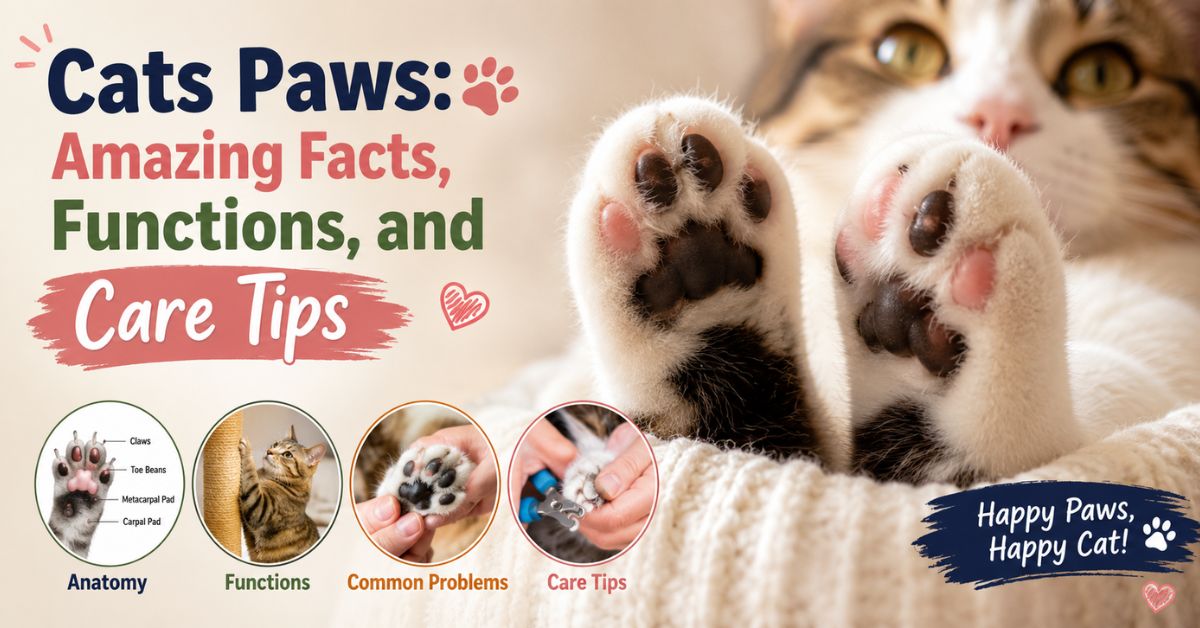
Cats are fascinating creatures known for their agility, balance, and stealth. One of the most remarkable parts of a cat’s body is its paws. Although they may look small and adorable, cats paws serve many important purposes that help cats survive, communicate, hunt, and explore their surroundings.
Many cat owners admire their pet’s cute “toe beans” without realizing how complex and essential these structures are. Understanding your cat’s paws can help you recognize signs of health issues, provide better care, and strengthen your bond with your feline companion.
In this comprehensive guide, we’ll explore everything you need to know about cats paws, from their anatomy and functions to common paw problems and care tips.
Understanding the Anatomy of Cats Paws
A cat’s paw is much more than just a foot. It is a highly specialized structure designed for movement, balance, and sensory perception.
Each paw contains:
- Paw pads
- Claws
- Bones
- Tendons
- Ligaments
- Nerves
- Blood vessels
Most cats have:
- Five toes on each front paw
- Four toes on each back paw
This gives them a total of 18 toes. It is possible, however, for some cats to be born with extra toes, a condition known as polydactylism.
The Different Parts of a Cat Paw
| Paw Part | Function |
| Toe Pads | Provide traction and shock absorption |
| Metacarpal Pad | Large central pad that supports weight |
| Carpal Pad | Helps with stopping and balance |
| Claws | Used for climbing, defense, and hunting |
| Digital Cushion | Protects bones and joints from impact |
Each component works together to help cats move efficiently and quietly.
Why Are Cats Paws So Important?
The paws of a cat perform several critical functions beyond simple walking.
Movement and Balance
Cats are famous for their graceful movements. Their paws provide excellent balance and stability when walking, running, jumping, or climbing.
The soft pads absorb shock during landings, reducing stress on joints and bones.
Silent Hunting
Wild and domestic cats are natural predators. Their padded paws allow them to move quietly when stalking prey.
This silent movement gives cats a significant advantage when hunting.
Climbing Ability
The claws attached to cats paws help them climb trees, fences, scratching posts, and furniture.
Retractable claws remain protected when not in use, helping them stay sharp.
Temperature Protection
Paw pads help insulate cats from hot and cold surfaces.
Although paw pads offer some protection, extreme temperatures can still cause burns or frostbite.
Sensory Information
Cat paws contain numerous nerve endings.
These sensitive receptors help cats:
- Detect vibrations
- Feel texture differences
- Sense pressure changes
- Navigate unfamiliar environments
What Are Cat Toe Beans?
“Toe beans” is the affectionate nickname given to the soft paw pads found on cats’ feet.
These pads resemble tiny jelly beans, which explains the popular nickname among cat lovers.
Why Do Cats Have Toe Beans?
Toe beans serve several important purposes:
- Shock absorption
- Noise reduction
- Improved balance
- Surface grip
- Sensory detection
Without these specialized pads, cats would not be able to move as efficiently or quietly.
Why Do Cats Knead With Their Paws?
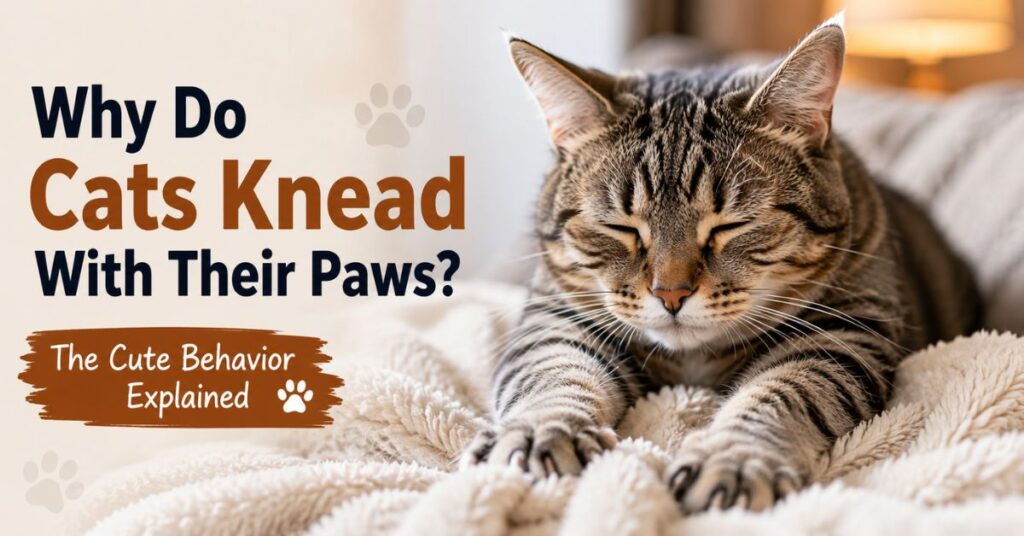
Kneading is one of the cutest behaviors involving cats paws.
A cat will rhythmically push its paws against a soft surface such as:
- Blankets
- Pillows
- Beds
- Human laps
Reasons Cats Knead
Comfort and Relaxation
Kneading often indicates contentment and happiness.
Kitten Instinct
Kittens knead their mother’s belly while nursing to stimulate milk flow.
Many adult cats continue this behavior throughout their lives.
Marking Territory
Cats have scent glands in their paws.
When they knead, they release their scent onto objects, marking them as familiar and safe.
How Cats Use Their Paws to Communicate
Many cat owners don’t realize that paws play a role in feline communication.
Paw Touching
A gentle paw placed on your arm or leg may mean:
- Attention seeking
- Affection
- Requesting food
- Desire for playtime
Swatting
A swat can communicate:
- Fear
- Irritation
- Boundaries
- Defensive behavior
Scratching
Scratching is another form of communication.
Cats scratch surfaces to:
- Mark territory
- Stretch muscles
- Maintain claw health
- Leave visual and scent signals
Common Health Problems Affecting Cats Paws
Even healthy cats can develop paw-related issues.
When you know what to watch for, you will be able to seek veterinary care at an early stage.
Cracked Paw Pads
Dry or cracked paw pads can result from:
- Low humidity
- Hot pavement
- Chemical exposure
- Harsh weather
Symptoms include:
- Rough pads
- Bleeding
- Limping
- Excessive licking
Injuries
Cats may injure their paws while:
- Climbing
- Jumping
- Hunting
- Walking on sharp surfaces
Common injuries include:
- Cuts
- Splinters
- Burns
- Torn nails
Infections
A bacterial or fungal infection can affect the paws.
Signs may include:
- Swelling
- Redness
- Odor
- Discharge
Allergies
Environmental and food allergies sometimes cause paw irritation.
Affected cats may:
- Lick paws excessively
- Chew their feet
- Develop inflamed skin
Pododermatitis
Pododermatitis is inflammation of the paw pads.
It can occur due to:
- Allergies
- Autoimmune disorders
- Infections
- Immune system issues
Veterinary diagnosis is necessary for proper treatment.
How to Check Your Cat’s Paws at Home
Regular inspections can help identify problems before they become serious.
Step-by-Step Paw Examination
- Choose a calm moment.
- Gently hold your cat’s paw.
- Inspect the pads for cuts or cracks.
- Check between the toes.
- Examine claws for damage.
- Look for swelling or redness.
- Watch your cat’s reaction.
If your cat shows pain or discomfort, consult a veterinarian.
Best Paw Care Tips for Cats
Proper paw care is an important part of feline health.
Keep Claws Trimmed
Regular nail trimming helps prevent:
- Overgrowth
- Snagging
- Broken claws
- Furniture damage
Use cat-specific nail clippers and trim carefully.
Provide Scratching Posts
Scratching posts help cats naturally maintain their claws.
Good options include:
- Sisal posts
- Cardboard scratchers
- Vertical scratching towers
Clean Paws When Needed
Indoor cats rarely need paw cleaning, but occasional cleaning may help after exposure to dirt or sticky substances.
Use:
- Damp soft cloth
- Pet-safe wipes
- Warm water
Avoid harsh chemicals.
Protect Against Hot Surfaces
During summer, pavement can become dangerously hot.
Tips include:
- Limiting outdoor activity during peak heat
- Walking cats during cooler hours
- Testing pavement temperature with your hand
Monitor for Excessive Licking
Persistent licking may indicate:
- Allergies
- Pain
- Infection
- Stress
A veterinary evaluation may be needed if the behavior continues.
Do Cats Sweat Through Their Paws?
Yes, cats do sweat but not the way humans do.
Cats have sweat glands located primarily in their paw pads.
Why Cats Sweat Through Their Paws
Sweating helps:
- Regulate body temperature
- Release stress
- Improve traction
You may occasionally notice damp paw prints when a cat is nervous or overheated.
Why Are Some Cat Paw Pads Different Colors?
Paw pad color often corresponds to a cat’s coat color and skin pigmentation.
Common paw pad colors include:
- Pink
- Black
- Gray
- Brown
- Mixed colors
For example:
- White cats often have pink pads.
- Black cats frequently have black pads.
- Multicolored cats may have mixed-color pads.
Color variations are usually completely normal.
Interesting Facts About Cats Paws
Here are some fascinating facts about cats paws:
- Instead of walking on their soles, cats walk on their toes.
- Front paws usually have one extra toe compared to back paws.
- Paw pads contain scent glands.
- Cats often prefer one paw over the other, similar to human handedness.
- A cat’s paw pads are highly sensitive to vibration.
- Cats can rotate their front paws inward when climbing.
- Paw pads help cats land safely after high jumps.
These unique adaptations make cats exceptional climbers and hunters.
Signs Your Cat May Have a Paw Problem
Contact your veterinarian if you notice:
- Limping
- Swollen paws
- Bleeding
- Persistent licking
- Broken claws
- Unusual odor
- Refusal to walk
- Visible wounds
Getting treatment early can prevent complications and speed up recovery.
Conclusion
Understanding cats paws can help you become a more informed and responsible pet owner. These incredible structures do far more than help cats walk. They provide balance, sensory awareness, communication, protection, and hunting precision. By regularly inspecting your cat’s paws, keeping claws trimmed, and addressing any signs of injury or irritation promptly, you can support your feline’s overall health and comfort.
At KittyCareZone.com, we are dedicated to providing trustworthy cat care information that helps your furry companions live happier, healthier lives. Taking proper care of your cats paws is a simple yet important step toward ensuring your cat stays active, comfortable, and thriving for years to come.
Cat paw pads contain thick layers of fatty tissue that provide cushioning, shock absorption, and protection during movement.
Yes, occasional paw licking is part of normal grooming. Excessive licking may indicate allergies, irritation, pain, or infection.
A quick inspection once a week is usually sufficient for healthy indoor cats. Outdoor cats may benefit from more frequent checks.
Yes. Paw pads contain numerous nerve endings that help cats detect vibrations, textures, pressure, and environmental changes.
Only use veterinarian-approved pet paw balms if the pads become dry or cracked. Avoid human lotions because they may contain harmful ingredients.

Ali Ahmad /Passionate writer sharing informative, engaging, and easy-to-read articles across different topics. Focused on delivering valuable content that helps readers learn, explore, and stay inspired every day.