

Introduction
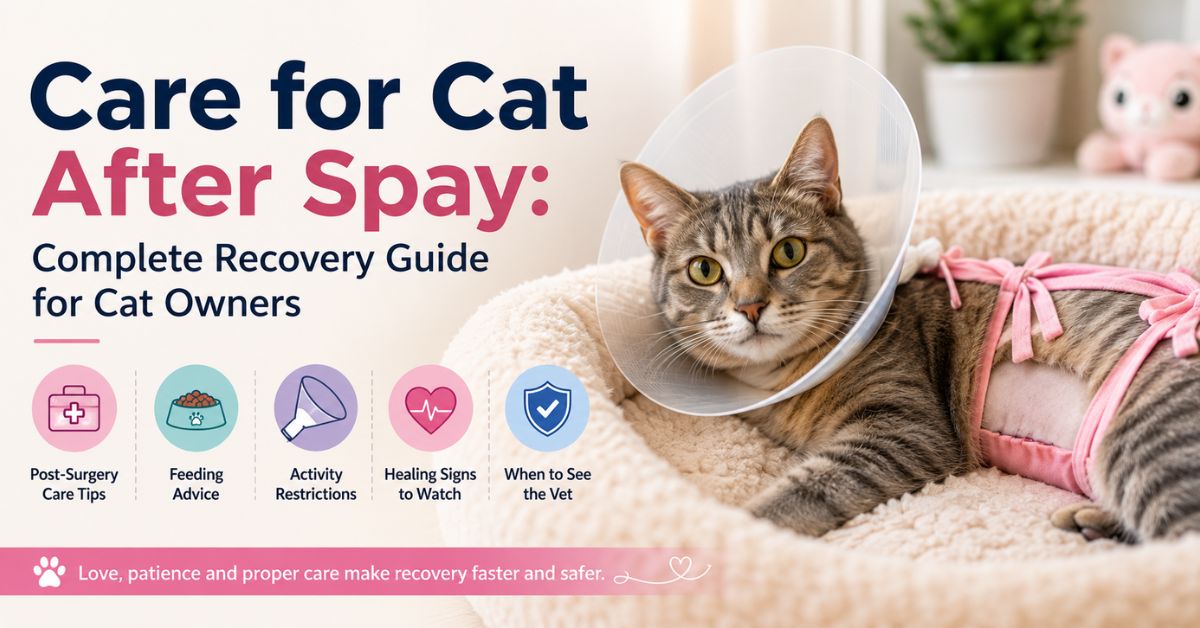
Spaying is one of the most important procedures for a female cat’s long-term health and well-being. However, many pet owners feel nervous once they bring their cat home after surgery. Understanding the right care for cat after spay can help your furry friend recover faster, stay comfortable, and avoid complications.
The first few days after surgery are especially important. Your cat may feel sleepy, confused, or uncomfortable because of anesthesia and the surgical procedure. Fortunately, with proper care, most cats recover quickly and return to normal activities within a couple of weeks.
In this detailed guide, you will learn everything about care for cat after spay, including recovery tips, feeding advice, activity restrictions, warning signs, and practical ways to keep your cat safe during healing.
Why Spaying Is Important for Cats
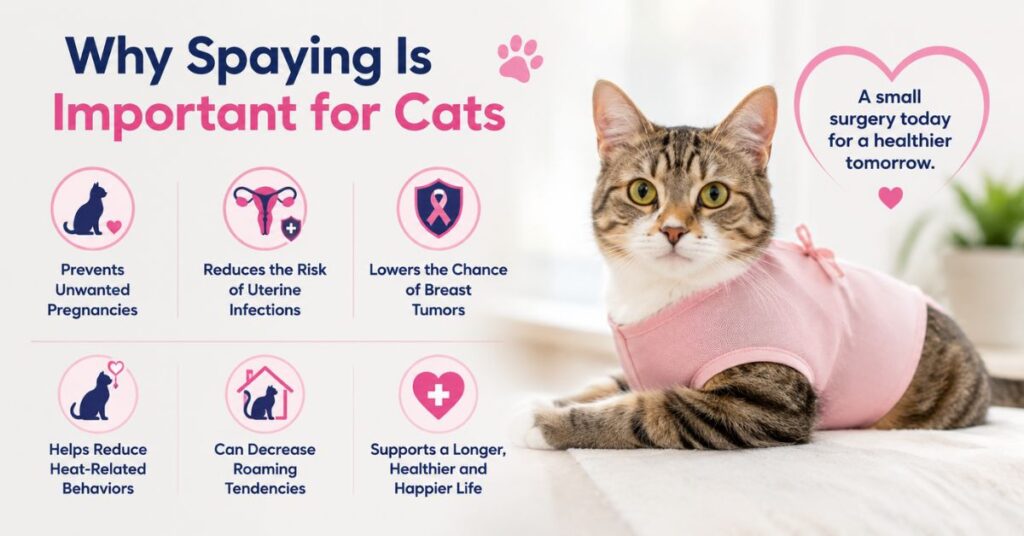
An operation to spay a female cat involves removing her reproductive system. Veterinarians recommend it for both health and behavioral benefits.
Benefits of Spaying
- Prevents unwanted pregnancies
- Reduces the risk of uterine infections
- Lowers the chance of breast tumors
- Helps reduce heat-related behaviors
- Can decrease roaming tendencies
- Supports a longer and healthier life
Although the surgery is common and generally safe, proper post-surgery care is necessary for a smooth recovery.
What to Expect Right After Spay Surgery
When your cat first returns home, she may still be affected by anesthesia. This stage is normal and usually lasts for several hours.
Common Post-Surgery Symptoms
- Sleepiness
- Mild wobbling while walking
- Reduced appetite
- Quiet behavior
- Temporary hiding
- Mild swelling near the incision
Most cats begin feeling better within 24 to 48 hours.
Preparing Your Home for Recovery
Before bringing your cat home, prepare a calm and quiet recovery area.
Create a Comfortable Recovery Space
Choose a location that is:
- Warm
- Quiet
- Away from children or other pets
- Easy for your cat to access
Use a soft blanket or cat bed. Avoid high furniture because jumping can strain the incision.
Keep Essentials Nearby
Place these items close to your cat:
- Food bowl
- Water bowl
- Litter box
- Comfortable bedding
This setup helps reduce unnecessary movement during healing.
Essential Care for Cat After Spay
Providing proper care for cat after spay involves monitoring your cat closely and following your veterinarian’s instructions carefully.
Monitor the Incision Daily
The incision area should stay clean and dry.
What a Healthy Incision Looks Like
A normal incision may show:
- Slight redness
- Mild swelling
- Small scab formation
These signs are usually part of normal healing.
Warning Signs of Infection
Contact your veterinarian if you notice:
- Pus or discharge
- Bad odor
- Excessive redness
- Bleeding
- Large swelling
- Open stitches
Checking the incision once or twice daily can help catch problems early.
Prevent Licking and Biting
Cats naturally groom themselves, but licking the surgical site can cause serious complications.
Use an E-Collar or Recovery Suit
Your veterinarian may recommend:
- An Elizabethan collar (cone)
- A soft recovery collar
- A cat recovery suit
These tools prevent irritation and infection.
Why Licking Is Dangerous
Excessive licking can:
- Open stitches
- Introduce bacteria
- Delay healing
- Cause infections
Even if your cat dislikes the cone, keeping it on is often necessary.
Limit Physical Activity
One of the most important aspects of care for cat after spay is reducing activity.
Avoid Jumping and Running
For about 10–14 days, prevent:
- Climbing
- Running
- Rough play
- Jumping on furniture
Too much movement can reopen the incision.
Keep Indoor Cats Calm
You can help by:
- Providing quiet toys
- Creating a relaxing environment
- Limiting interaction with energetic pets
Recovery is usually smoother when cats stay calm.
Feeding Your Cat After Spay Surgery
Your cat’s appetite may change temporarily after surgery.
First Meal After Surgery
Offer a small amount of food once your cat is fully awake.
Best Food Options
Choose:
- Wet cat food
- Easily digestible meals
- Small portions
Avoid overfeeding during the first 24 hours.
Hydration Is Important
Fresh water should always be available.
Signs of Dehydration
Watch for:
- Dry gums
- Low energy
- Sunken eyes
- Reduced urination
If your cat refuses water for an extended period, contact your vet.
Cat Spay Recovery Timeline
In order to reduce stress for cat owners, it is important to understand the healing process.
| Recovery Stage | What to Expect |
| First 24 Hours | Sleepiness, low appetite, wobbling |
| Days 2–3 | Increased alertness, mild soreness |
| Days 4–7 | Gradual return to normal behavior |
| Days 8–14 | Incision healing improves |
| After 2 Weeks | Most cats fully recover |
Every cat heals differently, but this timeline is typical for healthy cats.
Litter Box Care After Spaying
Proper litter box management helps prevent infection.
Use a Clean Litter Box
Dirty litter boxes can expose the incision to bacteria.
Helpful Tips
- Scoop waste daily
- Keep the box dry
- Use low-dust litter if possible
Some veterinarians recommend paper litter temporarily to avoid irritation.
Pain Management After Spay Surgery
Cats may experience mild discomfort after surgery.
Never Give Human Pain Medications
Human medications can be extremely dangerous for cats.
Safe Pain Relief
Only use medications prescribed by your veterinarian.
Common vet-approved pain relief may include:
- Anti-inflammatory medication
- Liquid pain medicine
- Long-lasting injections
Always follow dosage instructions carefully.
Behavioral Changes After Spaying
Some cats behave differently during recovery.
Common Temporary Behavior Changes
Your cat may:
- Hide more often
- Become clingy
- Sleep extra hours
- Eat less temporarily
These changes are usually short-term.
Long-Term Behavioral Benefits
After recovery, many cats become:
- Calmer
- Less vocal during heat cycles
- Less aggressive
- More relaxed indoors
Spaying often improves overall quality of life.
Signs Your Cat Needs Veterinary Attention
Most cats heal without problems, but complications can happen.
Emergency Warning Signs
Your cat should be seen by a veterinarian if it has:
- Difficulty breathing
- Continuous vomiting
- Severe swelling
- Heavy bleeding
- Extreme lethargy
- Loss of balance after 24 hours
- Fever
- Refusal to eat for over 24 hours
Quick treatment can prevent serious complications.
After spaying, how long should a cat wear a cone?
Many owners wonder how long protective collars are necessary.
Recommended Cone Duration
Most cats should wear the cone for:
- 10 to 14 days
- Until the incision fully heals
- Until stitches are removed if non-dissolvable
Even short periods without protection can lead to licking and complications.
Indoor vs Outdoor Cats After Spay Surgery
Outdoor cats require extra caution during recovery.
Keep Outdoor Cats Indoors
Cats should stay indoors during recovery because outdoor risks include:
- Dirt and bacteria
- Physical activity
- Fighting with other animals
- Reopening stitches
Most veterinarians recommend keeping cats indoors for at least two weeks.
Tips to Keep Your Cat Comfortable
Comfort plays a major role in recovery success.
Easy Comfort Tips
Maintain a Calm Environment
Reduce stress by:
- Keeping noise levels low
- Avoiding frequent handling
- Limiting visitors
Offer Gentle Attention
Some cats enjoy comfort after surgery, while others prefer space.
Follow your cat’s body language and avoid forcing interaction.
Keep Bedding Clean
Fresh bedding helps reduce infection risks and keeps your cat comfortable.
Common Mistakes to Avoid After Spaying
Many recovery issues happen because of simple mistakes.
Avoid These Errors
Letting Your Cat Jump Too Soon
Even if your cat seems energetic, internal healing still takes time.
Removing the Cone Early
Premature cone removal can lead to infection or torn stitches.
Ignoring Appetite Changes
A short appetite decrease is normal, but prolonged refusal to eat needs attention.
Skipping Medication
Always complete prescribed medications exactly as directed.
Best Diet for Recovery After Spay Surgery
Nutrition supports faster healing.
High-Quality Protein Helps Recovery
Protein helps repair tissues and maintain strength.
Recommended Foods
- High-quality wet cat food
- Protein-rich diets
- Vet-recommended recovery foods
Avoid sudden food changes unless advised by your veterinarian.
Emotional Care Matters Too
Physical healing is important, but emotional comfort also matters.
Cats May Feel Vulnerable
After surgery, cats often seek reassurance.
Ways to Provide Emotional Support
- Speak softly
- Sit nearby calmly
- Avoid stressful situations
- Keep routines consistent
A relaxed environment can improve recovery speed.
When Can Cats Return to Normal Activities?
Most cats return to regular activities within two weeks.
Gradual Return Is Best
Even after healing, reintroduce active play slowly.
Safe Return Activities
- Gentle play sessions
- Climbing supervision
- Short interaction periods
Always confirm full healing before allowing unrestricted activity.
Why Following Vet Instructions Is Essential
Every cat is unique. Always follow your veterinarian’s instructions.
Some Cats Need Extra Care
Factors affecting recovery include:
- Age
- Overall health
- Surgical complexity
- Existing medical conditions
Customized vet guidance ensures safer healing.
Conclusion
Providing proper care for cat after spay is essential for a safe and comfortable recovery. While spaying is a routine procedure, your attention during the healing period makes a major difference in your cat’s overall health and well-being.
By monitoring the incision, limiting activity, offering proper nutrition, and following veterinary instructions, you can help your cat heal quickly and avoid complications. Patience, comfort, and consistent care are the keys to successful recovery.
At KittyCareZone.com, we are committed to helping cat owners provide the best possible care for their feline companions. Whether you are learning about cat health, nutrition, or behavior, our goal is to make cat parenting easier, safer, and more rewarding.
Most cats recover within 10–14 days. However, mild tiredness may continue for a few days after surgery.
No. Jumping should be limited during recovery because it can reopen the incision and slow healing.
A temporary decrease in appetite is common for the first 24 hours. Contact your veterinarian if your cat refuses food longer than that.
Not always. However, a small quiet room may help prevent excessive movement and jumping.
It is best for cats to wear the cone for 10 to 14 days to allow the incision to fully heal.

Ali Ahmad /Passionate writer sharing informative, engaging, and easy-to-read articles across different topics. Focused on delivering valuable content that helps readers learn, explore, and stay inspired every day.
2 thoughts on “Care for Cat After Spay: Complete Recovery Guide for Cat Owners”