

Introduction
Many cat owners struggle to identify the cause of their pet’s itching, digestive problems, or recurring skin issues. In many cases, food sensitivities or allergies may be the hidden culprit. That’s where understanding the benefits of hypoallergenic cat food becomes important.
A hypoallergenic cat food is formulated to reduce the likelihood of allergic reactions in cats. These diets often contain limited ingredients, novel protein sources, or hydrolyzed proteins that are easier for a cat’s immune system to tolerate.
If your feline friend experiences chronic scratching, digestive upset, or unexplained discomfort, switching to a hypoallergenic diet may help improve their quality of life. In this guide, we’ll explore the major benefits of hypoallergenic cat food, how it works, and whether it’s the right choice for your cat.
What Is Hypoallergenic Cat Food?
Hypoallergenic cat food is designed to minimize ingredients that commonly trigger allergic reactions or food sensitivities in cats.
Unlike standard cat food, hypoallergenic formulas typically contain:
- Limited ingredients
- Novel protein sources
- Hydrolyzed proteins
- Easily digestible carbohydrates
- Fewer artificial additives
The goal is to reduce the chances of the immune system mistakenly identifying food proteins as harmful substances.
Common Protein Sources in Hypoallergenic Diets
- Duck
- Rabbit
- Venison
- Salmon
- Whitefish
- Hydrolyzed chicken protein
These proteins are often less likely to cause reactions because many cats have not been previously exposed to them.
Understanding Food Allergies in Cats
Before discussing the benefits of hypoallergenic cat food, it’s helpful to understand food allergies.
A food allergy occurs when a cat’s immune system reacts negatively to a specific ingredient, usually a protein source.
Common Symptoms of Food Allergies
- Excessive itching
- Hair loss
- Skin redness
- Ear infections
- Vomiting
- Diarrhea
- Chronic digestive upset
- Overgrooming
These symptoms can significantly impact your cat’s comfort and overall health.
Benefits of Hypoallergenic Cat Food
Reduces Food Allergy Symptoms
One of the biggest benefits of hypoallergenic cat food is its ability to reduce allergic reactions.
By eliminating common allergens, these diets help calm the immune system and reduce symptoms such as:
- Persistent scratching
- Skin inflammation
- Ear irritation
- Chronic discomfort
Many cat owners notice visible improvements within a few weeks after switching to an appropriate hypoallergenic formula.
Improves Digestive Health
Food sensitivities often affect a cat’s digestive system.
Hypoallergenic diets usually contain highly digestible ingredients that place less stress on the stomach and intestines.
Digestive Improvements May Include
- Reduced vomiting
- Less diarrhea
- Better nutrient absorption
- More consistent stools
- Reduced gas
Cats with sensitive stomachs often experience significant relief after transitioning to these specialized diets.
Promotes Healthier Skin and Coat
Skin problems are among the most common signs of food allergies.
When an allergen is removed from the diet, many cats experience healthier skin and a shinier coat.
Skin and Coat Benefits
- Less itching
- Reduced redness
- Fewer hot spots
- Better fur quality
- Reduced shedding caused by irritation
A healthy coat is often one of the first visible signs that a dietary change is working.
Supports Better Nutrient Absorption
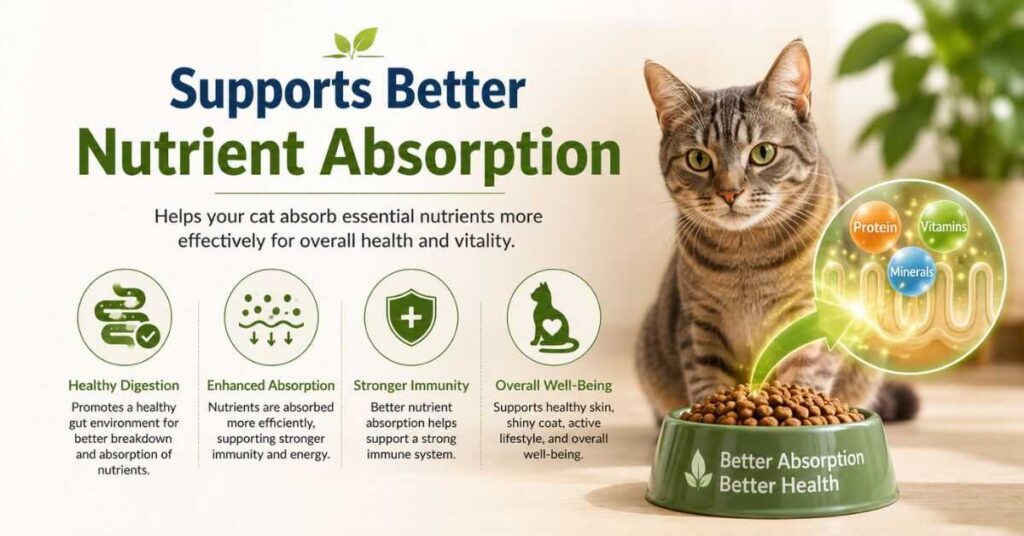
Digestive inflammation can interfere with a cat’s ability to absorb nutrients properly.
Hypoallergenic cat foods are often formulated with highly digestible ingredients that improve nutrient utilization.
As a result, cats may experience:
- Better energy levels
- Improved muscle maintenance
- Stronger immune function
- Enhanced overall wellness
This is another important reason many veterinarians recommend hypoallergenic diets for sensitive cats.
Reduces Chronic Ear Infections
Many cat owners don’t realize that recurring ear infections can sometimes be linked to food allergies.
When the immune system constantly reacts to problematic ingredients, inflammation can affect various parts of the body, including the ears.
Switching to a hypoallergenic diet may help:
- Reduce ear inflammation
- Lower infection frequency
- Improve overall comfort
While not every ear infection is food-related, diet can play a major role in some cases.
Helps Manage Sensitive Stomachs
Cats with sensitive stomachs often struggle with traditional diets.
The benefits of hypoallergenic cat food extend beyond allergy management because these formulas are generally easier to digest.
Many contain:
- Simple ingredient lists
- Gentle protein sources
- Easily digestible carbohydrates
- Fewer artificial preservatives
This makes them a practical option for cats with recurring digestive issues.
Supports Long-Term Wellness
When a cat constantly battles food sensitivities, chronic inflammation can negatively affect overall health.
A properly selected hypoallergenic diet may contribute to:
- Improved comfort
- Better quality of life
- Consistent appetite
- Healthier weight maintenance
- Reduced stress
Over time, these benefits can have a positive impact on both physical and emotional well-being.
Comparison Table: Regular Cat Food vs. Hypoallergenic Cat Food
| Feature | Regular Cat Food | Hypoallergenic Cat Food |
| Ingredient Variety | High | Limited |
| Allergy Risk | Moderate to High | Lower |
| Protein Sources | Common proteins | Novel or hydrolyzed proteins |
| Digestibility | Varies | Typically higher |
| Suitable for Sensitive Cats | Not always | Yes |
| Skin Health Support | Moderate | Excellent |
| Digestive Support | Standard | Enhanced |
| Veterinary Recommendation | General use | Often recommended for allergies |
Types of Hypoallergenic Cat Food
Limited Ingredient Diets (LID)
Limited ingredient diets contain fewer components, making it easier to identify potential allergens.
Benefits include:
- Simplified nutrition
- Easier elimination diets
- Reduced exposure to triggers
Novel Protein Diets
Novel proteins are ingredients your cat has likely never eaten before.
Examples include:
- Rabbit
- Venison
- Duck
- Kangaroo
Because the immune system has little exposure to these proteins, allergic reactions are less likely.
Hydrolyzed Protein Diets
Hydrolyzed proteins are broken into extremely small particles.
These particles are often too small for the immune system to recognize as allergens.
Veterinarians frequently recommend hydrolyzed diets for severe food allergies.
Transitioning Your Cat to Hypoallergenic Food
If you change your cat’s food too quickly, he or she may experience digestive upset.
Follow a gradual transition process:
/Day 1–3
- 75% current food
- 25% hypoallergenic food
/Day 4–6
- 50% current food
- 50% hypoallergenic food
Day 7–9
- 25% current food
- 75% hypoallergenic food
Day 10+
- 100% hypoallergenic food
Monitor your cat closely during the transition period.
Signs That Your Cat May Need Hypoallergenic Food
You should consider discussing hypoallergenic diets with your veterinarian if your cat experiences:
- Frequent scratching
- Skin irritation
- Hair loss
- Chronic ear infections
- Repeated vomiting
- Persistent diarrhea
- Excessive licking or grooming
- Unexplained digestive problems
Early intervention can help prevent prolonged discomfort.
Choosing the Best Hypoallergenic Cat Food
When selecting a product, consider the following:
Look for Quality Protein Sources
Choose foods featuring:
- Rabbit
- Duck
- Salmon
- Venison
- Hydrolyzed protein
Avoid Unnecessary Fillers
Look for formulas with minimal:
- Artificial colors
- Artificial flavors
- Chemical preservatives
Read Ingredient Labels Carefully
The shorter and simpler the ingredient list, the easier it is to identify potential allergens.
Consult Your Veterinarian
A veterinarian can help determine whether your cat has:
- Food allergies
- Environmental allergies
- Digestive disorders
- Other health concerns
Professional guidance ensures the best dietary choice.
Additional Tips for Managing Food Allergies
Along with switching diets, these strategies may help:
- Avoid feeding table scraps
- Limit treats during elimination diets
- Keep a food journal
- Monitor symptom changes
- Follow veterinary recommendations consistently
Consistency is essential when evaluating food allergy improvements.
Conclusion
Understanding the benefits of hypoallergenic cat food can help cat owners make informed decisions about their pet’s nutrition. These specialized diets may reduce allergic reactions, improve digestion, support healthier skin and coats, and enhance overall quality of life.
If your cat struggles with itching, digestive discomfort, or recurring health issues, a hypoallergenic diet could be worth considering.
Always work with your veterinarian to identify the underlying cause of symptoms and choose the most appropriate food. For more expert feline nutrition and health guides, visit KittyCareZone.com, your trusted resource for happy and healthy cats.
The primary benefits of hypoallergenic cat food include reduced allergy symptoms, improved digestion, healthier skin, a shinier coat, and better overall wellness.
If the itching is caused by a food allergy, hypoallergenic cat food can significantly reduce or eliminate scratching and skin irritation.
Many cats show improvement within 4 to 8 weeks, although some may respond sooner depending on the severity of their symptoms.
Yes, many hypoallergenic diets are nutritionally complete. However, they are especially beneficial for cats with allergies, food sensitivities, or digestive issues.
While not always required, consulting a veterinarian is strongly recommended to ensure the diet addresses your cat’s specific health needs.

Ali Ahmad /Passionate writer sharing informative, engaging, and easy-to-read articles across different topics. Focused on delivering valuable content that helps readers learn, explore, and stay inspired every day.
1 thought on “Benefits of Hypoallergenic Cat Food: A Complete Guide for Cat Owners”