
Introduction
Munchkin cats attract attention because of their adorable appearance and unusually short legs. Their playful personality, affectionate nature, and cute movements make them popular among cat lovers across the United States.
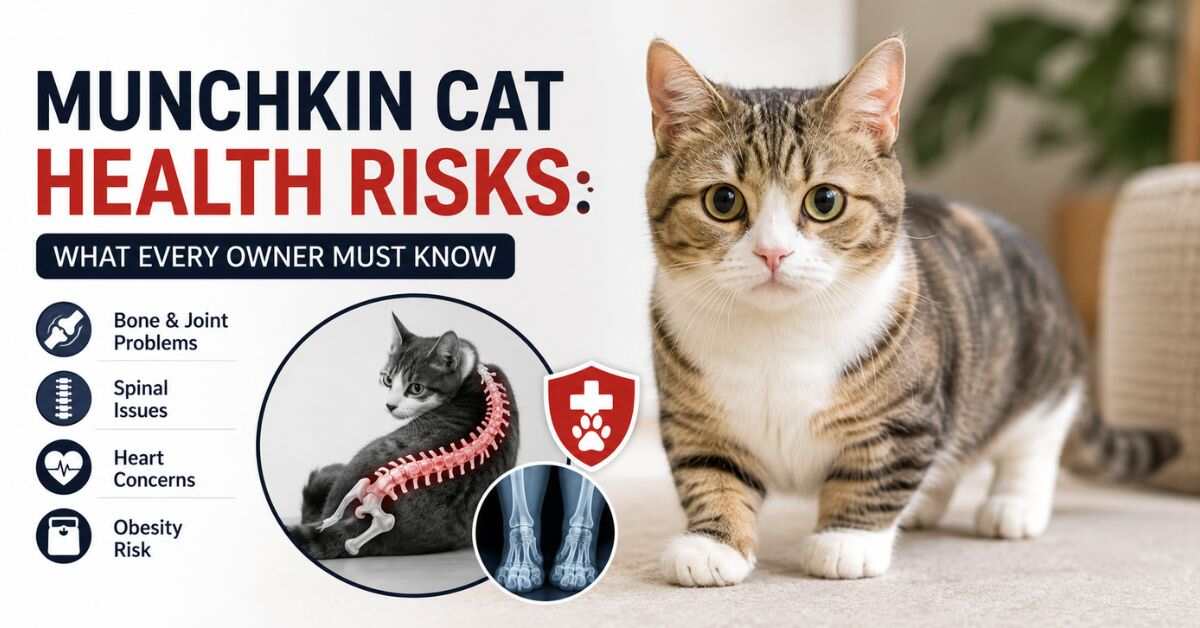
However, before bringing one home, many owners ask an important question: what are the real munchkin cat health risks? While Munchkin cats can live long and happy lives, their unique body structure raises concerns among pet owners and veterinarians.
Some people worry that their short legs may create mobility problems or lead to genetic issues over time. Understanding munchkin cat health risks helps owners make informed decisions and provide better care.
In this guide, we will explore common health concerns, possible genetic conditions, prevention tips, and ways to help your furry friend stay healthy for years.
Understanding the Munchkin Cat Breed
Munchkin cats stand out because of a genetic mutation that causes shorter legs than normal cats. Despite their size difference, these cats remain energetic and playful.
They often enjoy:
- Running around the house
- Chasing toys
- Climbing lower furniture
- Socializing with people
- Interacting with other pets
Their small legs do not automatically mean they suffer from health problems. However, genetics can sometimes create specific concerns that owners should understand.
Common Munchkin Cat Health Risks
Several health concerns can affect this breed. Not every Munchkin cat develops these conditions, but awareness helps with early detection and treatment.
Health Risk Overview Table
| Health Condition | Symptoms | Severity Level | Can It Be Managed? |
| Lordosis | Curved spine, breathing difficulty | Moderate to Severe | Yes |
| Pectus Excavatum | Sunken chest appearance | Moderate | Yes |
| Obesity | Weight gain, inactivity | Moderate | Yes |
| Arthritis | Joint pain, stiffness | Moderate | Yes |
| Mobility Issues | Difficulty jumping | Mild to Moderate | Yes |
Lordosis – One of the Major Munchkin Cat Health Risks
Lordosis is one of the most discussed conditions associated with Munchkin cats. This condition occurs when spinal muscles become weak, causing the spine to curve inward excessively.
Signs of Lordosis
Common symptoms include:
- Difficulty walking
- Reduced activity
- Trouble breathing
- Curved body posture
- Weakness
Mild cases may not seriously affect daily life. Severe cases, however, can create complications involving the lungs and heart.
Early veterinary care improves management options significantly.
Pectus Excavatum in Munchkin Cats
Pectus Excavatum refers to an abnormal chest development where the breastbone appears sunken.
This condition may compress internal organs and affect breathing.
Common symptoms include:
- Rapid breathing
- Reduced exercise tolerance
- Weakness
- Appetite changes
- Visible chest abnormality
Veterinarians sometimes recommend surgery in severe situations. Mild cases may only require observation.
Obesity and Weight Management Concerns
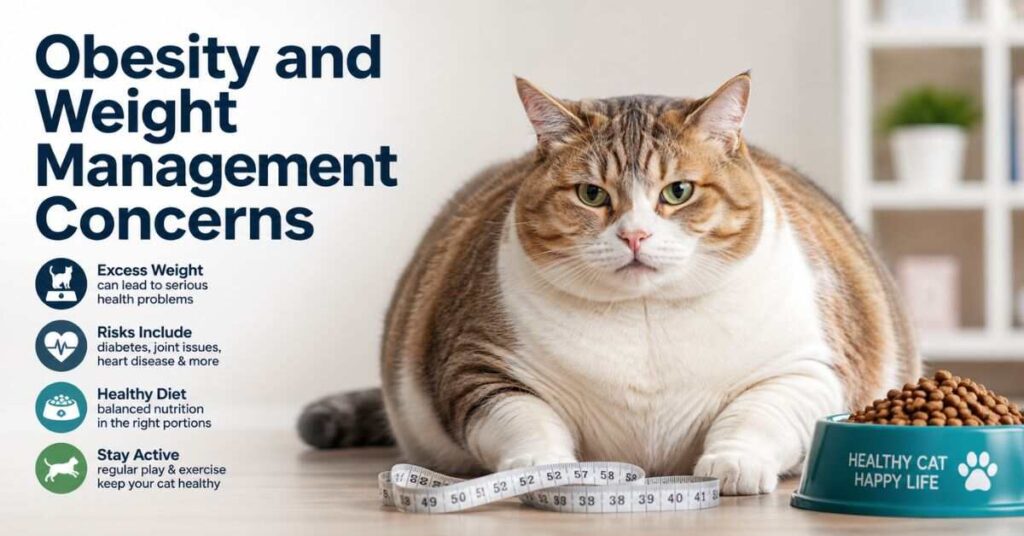
Among all munchkin cat health risks, obesity can become one of the most preventable issues.
Because Munchkin cats have shorter legs, carrying extra weight places additional stress on their joints and spine.
Why obesity becomes dangerous
Extra body weight may increase:
- Joint pressure
- Arthritis risk
- Reduced mobility
- Diabetes risk
- Heart-related complications
Indoor cats tend to gain weight as a result of limited activity. Therefore, owners should monitor food portions carefully.
Healthy feeding tips
- Follow portion recommendations
- Avoid excessive treats
- Feed high-quality cat food
- Encourage daily play sessions
- Monitor weight monthly
Arthritis and Joint Problems
Joint discomfort can develop as Munchkin cats age. According to some experts, repetition strain may damage joints in cats over time because of their different body structures.
Symptoms of arthritis include:
- Reluctance to jump
- Slow movements
- Stiff walking
- Sleeping more often
- Difficulty climbing
Early intervention helps reduce discomfort.
Veterinarians may suggest:
- Weight management
- Joint supplements
- Pain management options
- Moderate exercise
- Comfortable sleeping spaces
Mobility Challenges in Munchkin Cats
Many people assume Munchkin cats cannot run or play normally. Fortunately, this belief is often exaggerated.
Most Munchkin cats remain active and playful throughout their lives. However, their short legs can create certain limitations.
Possible mobility issues include:
- Lower jumping ability
- Difficulty reaching high places
- Faster fatigue
- Increased stress on joints
Owners can make life easier with a few simple changes.
Helpful home adjustments
Use pet stairs
Pet stairs help cats reach couches or beds without repeated jumping.
Provide lower climbing spaces
Cat trees with shorter platforms reduce stress on joints.
Create soft landing areas
Placing rugs or carpets around climbing areas helps minimize impact.
Genetic Concerns Related to Munchkin Cats
The short-leg trait results from a genetic mutation. While this mutation creates the breed’s unique appearance, some experts debate whether selective breeding increases health concerns.
Responsible breeders often perform health testing to reduce inherited problems.
When choosing a kitten, ask about:
- Parent health records
- Genetic screening
- Vaccination history
- Veterinary examinations
- Family medical background
Avoid purchasing from breeders who cannot provide health information.
How to Reduce Munchkin Cat Health Risks
Although genetics play a role, owners can actively support their cat’s well-being.
Schedule regular veterinary visits
Routine examinations help detect problems before they become serious.
Maintain healthy body weight
Weight control reduces pressure on joints and bones.
Encourage daily exercise
Interactive toys keep cats physically active.
Good toy choices include:
- Feather toys
- Laser pointers
- Puzzle feeders
- Small cat balls
- Interactive electronic toys
Feed quality nutrition
Proper nutrition supports:
- Bone health
- Muscle development
- Immune function
- Healthy body weight
Watch for behavior changes
Cats often hide discomfort. Small changes can indicate underlying health concerns.
Pay attention to:
- Eating habits
- Activity levels
- Walking style
- Sleeping patterns
- Litter box behavior
Are Munchkin Cats Unhealthy?
This question creates ongoing debate among pet owners and veterinary professionals.
The simple answer is no Munchkin cats are not automatically unhealthy.
Many live normal lives ranging from approximately 12–15 years or longer with proper care. Some experience no serious health problems at all.
However, potential owners should understand that munchkin cat health risks exist and require attention.
Responsible breeding practices and good care routines significantly enhance the longevity of animals.
Warning Signs You Should Never Ignore
Seek veterinary attention if you notice:
- Sudden limping
- Difficulty breathing
- Loss of appetite
- Severe weight gain
- Trouble walking
- Extreme lethargy
- Unusual posture
Quick treatment often prevents small issues from becoming major health problems.
Conclusion
Understanding munchkin cat health risks allows cat owners to make informed decisions and provide the best possible care. While certain health concerns may affect this breed, many Munchkin cats live happy and active lives with proper attention and preventive care.
Regular veterinary checkups, balanced nutrition, healthy weight management, and early symptom detection can make a major difference in your cat’s quality of life.
At KittyCareZone.com, our goal is to provide practical, trustworthy information that helps cat owners create healthier and happier lives for their furry companions.
The most commonly discussed concerns include lordosis, pectus excavatum, obesity, arthritis, and mobility-related issues.
No. Many Munchkin cats remain healthy throughout their lives. Genetics, breeding quality, diet, and overall care influence health outcomes.
Yes, they can jump, but they usually do not jump as high as some longer-legged cat breeds.
Munchkin cats commonly live between 12 and 15 years or longer with proper veterinary care and nutrition.
You can reduce risks by maintaining a healthy weight, feeding quality food, scheduling regular veterinary visits, and encouraging exercise.

Ali Ahmad /Passionate writer sharing informative, engaging, and easy-to-read articles across different topics. Focused on delivering valuable content that helps readers learn, explore, and stay inspired every day.
1 thought on “Munchkin Cat Health Risks: What Every Owner Must Know”